

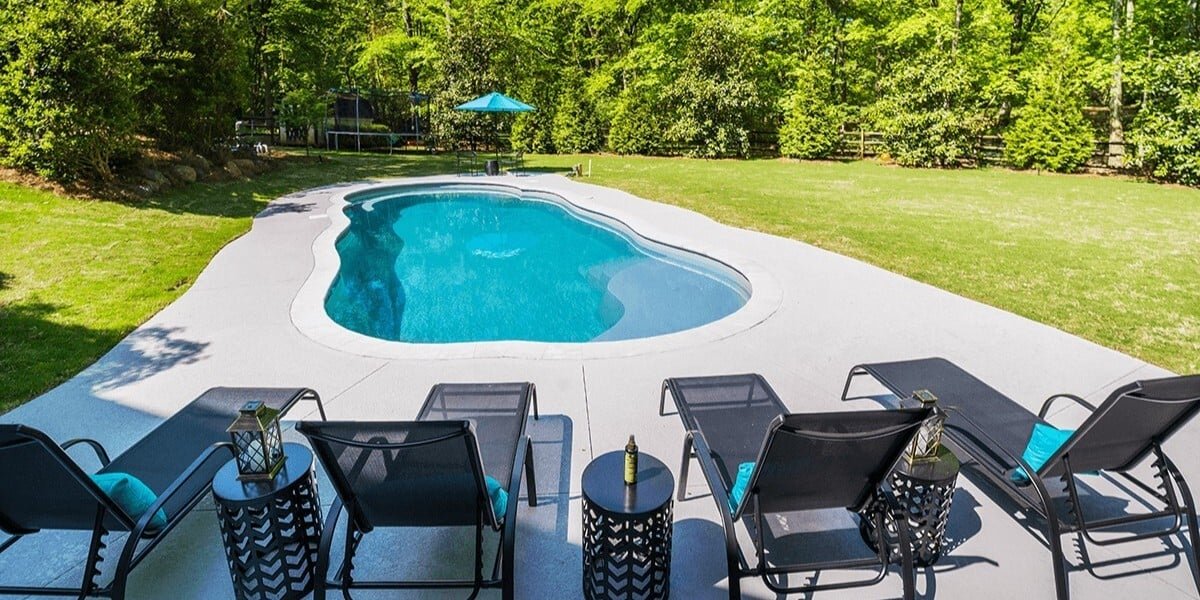
If you’re searching for “inground pools for sale,” you’re likely ready to move beyond dreaming and start making decisions. You’re comparing costs, weighing pool types, and figuring out what fits your home and budget.
But buying an inground pool isn’t as simple as picking a shape and signing a contract.
There are different ways to purchase one, and each comes with its own responsibilities, costs, and
expectations. Understanding your buying options first will make every decision that follows much clearer.-1.jpeg?width=383&height=255&name=001.%20River%20Pools%20R40%20+%20SS08%20with%20spillway%20+%20TL15%20with%20spillway%20in%20Granite%20Gray%20with%20bubblers%2c%20turf%20patio%20and%20natural%20stone%20coping%20(1)-1.jpeg)
Before we break down where to buy a pool, and what those paths look like, it helps to understand the three main types of inground pools available today. The type of pool you choose will directly impact your budget, maintenance, installation timeline, and even who you buy from.
Let’s start with the foundation:
What Type of Inground Pool Is Right for You?
Once you’ve decided to install a new pool and work with a professional installer, the next decision is pool type.
There are three primary options:
- Concrete (gunite)
- Vinyl liner
- Fiberglass
Each comes with trade-offs in cost, customization, maintenance, and installation time.
Concrete (Gunite)
- Built from scratch and highly customizable
- Typically requires 4–5 hours per week of maintenance
- Installation often takes 3–6 months
Concrete pools offer flexibility in shape and size. However, their porous surface generally requires more cleaning and periodic resurfacing over time.
Vinyl Liner
- Built on-site with customizable shapes
- Typically requires 2–3 hours per week of maintenance
- Installation often takes 4–8 weeks
Vinyl liner pools typically have a lower upfront cost than concrete. Liners usually need replacement every 7–12 years.
Fiberglass
- Manufactured in a factory as a one-piece shell
- Typically requires about 1 hour per week of maintenance
- Installation often takes 2–6 weeks
Fiberglass pools are known for durability and lower maintenance due to their smooth, non-porous surface. Shapes and sizes are limited to available molds, but installation is often quicker than concrete.
Installation timelines vary based on weather, permits, and builder availability.

What Are Your Options for Buying an Inground Pool?
When it comes to owning an inground pool, there are two primary paths:
- Buy a home that already has one
- Install a brand-new pool
Buying a Home With an Existing Pool
Purchasing a home with a pool already installed can simplify the process, but it also limits your control.
Here are a few things to consider:
You won’t choose the design: The size, shape, and depth are already determined. If it doesn’t fit your preferences or lifestyle, modifications can be expensive.
You may not know the pool’s history: If maintenance was inconsistent, hidden issues like surface wear, plumbing problems, or structural concerns may not be obvious right away.
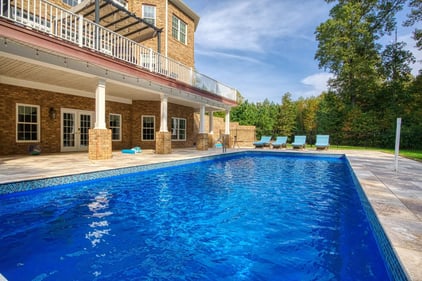
You might save upfront: If the pool is well maintained, you avoid the full cost of new construction, which can make a home with a pool financially appealing.
Check the warranty: Many inground fiberglass pools include manufacturer warranties. If you’re buying a home with one, confirm whether the warranty is transferable.
Buying a home with a pool can be convenient, but you’re inheriting someone else’s decisions.
Installing a Brand-New Pool
Installing a new pool gives you full control over design, placement, materials, and features. You know exactly how it was built and what went into it from day one.
However, this route requires choosing a pool type, selecting an installer, and planning for construction costs and timelines.
For many homeowners, building new provides the most flexibility, but it requires thoughtful planning.
If You’re Installing New, Who Handles the Installation?
For most homeowners, the standard and recommended path is working with an independent pool installer in their area.

An experienced installer evaluates your yard, helps you select the right pool type, and provides a written proposal outlining scope and cost. They handle permits, coordinate construction, and oversee
installation from start to finish.
For fiberglass pools specifically, manufacturers like River Pools build the pool shell, and independently owned and operated companies install it according to recommended best practices. This approach combines quality manufacturing with local expertise.
Working with a qualified installer provides professional oversight, accountability, and long-term support, all critical when making a significant investment in your home.

Can You Install an Inground Pool Yourself?
Some homeowners consider installing a pool themselves. If you’re handy or have construction experience, it’s a fair question to ask. Saving money and managing the project on your own can sound appealing.
But here’s the honest truth: an inground pool isn’t a small DIY project. It’s a permanent structural addition to your property. Once it’s installed, there’s no easy redo. Excavation, base preparation, plumbing, leveling, drainage, and backfilling all have to be done correctly the first time.
Because of that, we don’t recommend DIY installation for inground pools, and we don’t offer fiberglass pool shells directly to homeowners for self-install projects. Working with an experienced professional helps protect your investment and gives you confidence that the pool is installed correctly from day one. The installation matters too much to the long-term performance of the pool to leave it to chance.

That said, if you’re still weighing your options and want to understand how it compares, here’s how DIY typically stacks up by pool type:
Concrete
Concrete pools require specialized crews, heavy equipment, structural engineering, and experienced gunite or shotcrete application. This is not a realistic DIY project for most homeowners. Professional installation is strongly advised.
Vinyl Liner
Vinyl liner kits are sometimes marketed as DIY-friendly, but proper excavation, wall assembly, leveling, plumbing, and electrical work still require skill and experience. Professional installation significantly reduces the risk of costly errors.
Fiberglass
Although fiberglass pools arrive as a single factory-built shell, proper installation requires precise excavation, correct backfill material, continuous leveling during fill, and coordinated plumbing and structural support. Even small errors can cause structural damage or void warranties.
With multiple sizes and features to choose from, pricing can vary. Want a clearer idea of what your pool might cost? Try our Design and Price tool below.

Is Now a Good Time to Buy an Inground Pool?
In many cases, yes.
However, timing depends on climate and planning. Pool installation requires dry and reasonably warm conditions. In colder regions, construction may need to wait until spring.
Planning ahead is wise. Starting conversations early gives you time to evaluate options, compare proposals, and prepare financially.
Demand, equipment availability, and regional conditions can influence timelines, so flexibility is helpful.
Closing Thoughts
If you’re searching for inground pools for sale, the key isn’t just finding one, it’s understanding the right way to buy it.
Whether you purchase a home with an existing pool or install a new one, clarity upfront helps prevent regret later. If you choose to build new, working with a qualified independent installer and selecting the right pool type for your lifestyle will make all the difference.
A pool should bring enjoyment, not stress. When you understand your options and plan carefully, you’re far more likely to create a backyard space your family will enjoy for years to come.

Frequently Asked Questions
How much does an inground pool cost?
Costs vary widely depending on type, size, features, and location. Vinyl liner pools typically have the lowest upfront cost. Fiberglass pools generally fall in the middle. Concrete pools are often the most expensive. Long-term maintenance and repair costs should also be considered when comparing options.
What type of inground pool requires the least maintenance?
Fiberglass pools generally require the least maintenance due to their smooth surface, which resists algae growth. Concrete pools usually require the most maintenance. Vinyl liner pools fall somewhere in between.
How long does it take to install an inground pool?
- Concrete: 3–6 months
- Vinyl liner: 4–8 weeks
- Fiberglass: 2–6 weeks
These are averages and can vary depending on your project, builder and local conditions.
Can I finance an inground pool?
Yes. Many homeowners finance their pool through home equity loans, personal loans, or pool financing programs. It’s important to understand interest rates and repayment terms before committing.
From the Author
Once you decide you’re interested in an inground pool, the next step isn’t always obvious. Do you buy a home with one already installed? Do you build new? How does the pool type affect who you work with and what the process looks like?
This article is meant to clarify those options so you understand the different paths available before making a decision. I’m Cristian Shirilla, Director of Marketing at River Pools and a co-owner of a fiberglass pool installation company in Virginia. My goal here is simple: give you a clear overview of how inground pools are purchased so you can move forward knowing what to expect.
From the Manufacturer
River Pools manufactures inground fiberglass pools that are installed by independently owned and operated companies across the country. We believe in education first. Our commitment is to build durable, low-maintenance fiberglass pools with quality craftsmanship while supporting installers who share our focus on integrity and customer care. Our goal is to help you make an informed decision and enjoy a pool that fits your life for decades to come. If you’re considering a fiberglass pool, the next best step is to connect with a trusted independent installer in your area. An experienced installer can evaluate your yard, discuss design options, walk you through pricing, and help you determine whether fiberglass is the right fit for your goals and budget.
Ready to start the conversation?

Topics:
