

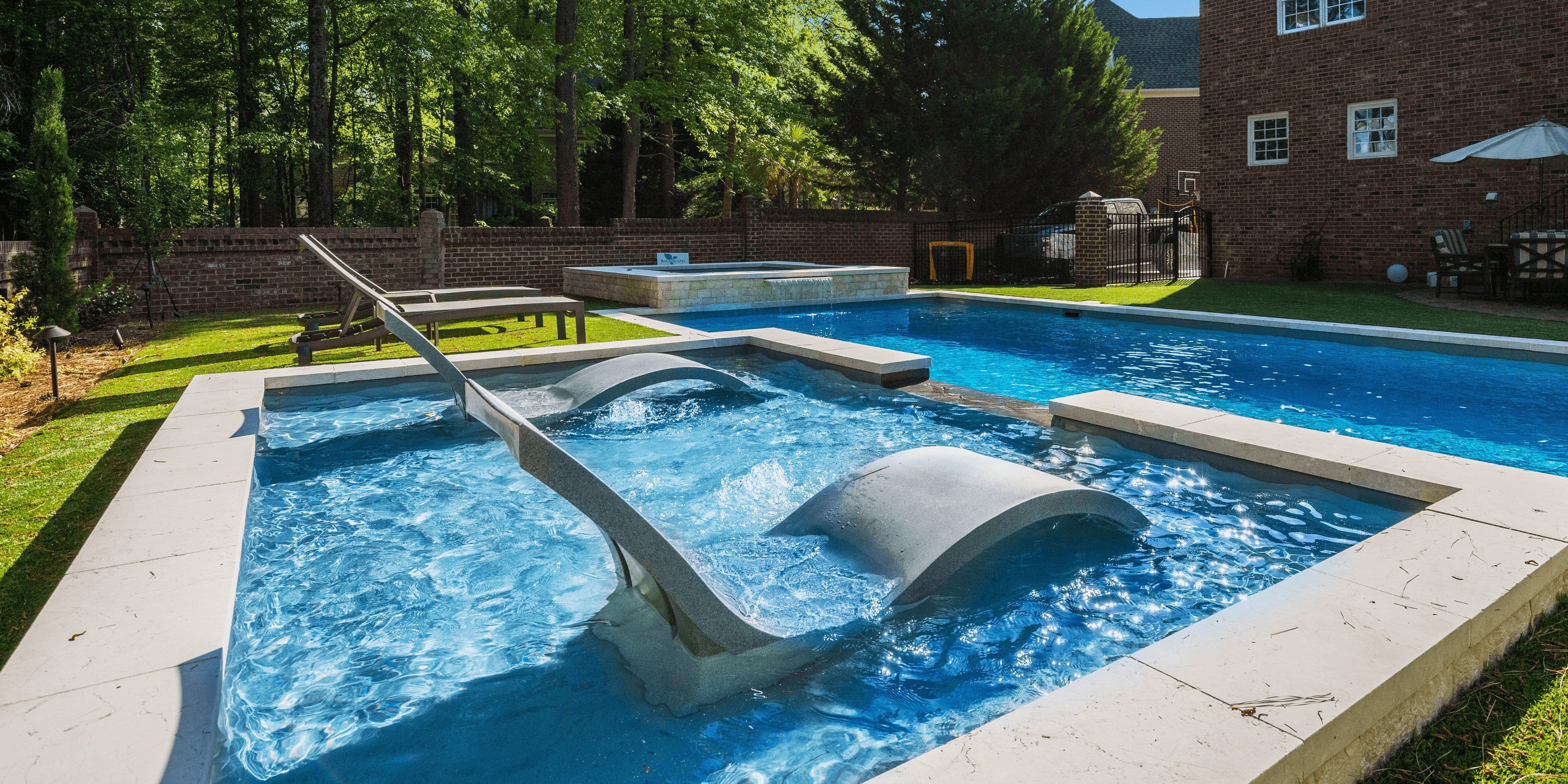
Thinking about adding a pool, a hot tub, or maybe both to your backyard? You’re not alone.
In 2026, more homeowners are designing outdoor spaces that do more than just look good, they want places to relax, entertain, and spend real time together.
But here’s the big question: Should you choose a pool, a hot tub, or both?
In this guide, we’ll walk you through your options, the pros and cons of each, and when having both actually makes sense (and when it doesn’t).
Do You Really Need Both a Pool and a Hot Tub?
Short answer: not always.
Pools and hot tubs serve very different purposes. A pool is usually about movement, entertaining, and cooling off during warm weather. A hot tub, on the other hand, is all about slowing things down. It’s warm, relaxing, and often something you’ll use even when the temperature drops.
Some homeowners love having both because they use them in completely different ways. Others find that one does everything they need. There’s no right or wrong answer here, but there is a right answer for your lifestyle.

What Are Your Options for a Pool and Spa Setup?
If you’re thinking about combining a pool and a spa-like experience, you’ve got a few different ways to approach it.
Pool with a Built-In Spa
Some fiberglass pools come with a spa area built directly into the pool design. This creates a clean, seamless look and makes it easy to move between lounging, swimming, and relaxing.
However, there’s something important to understand here.
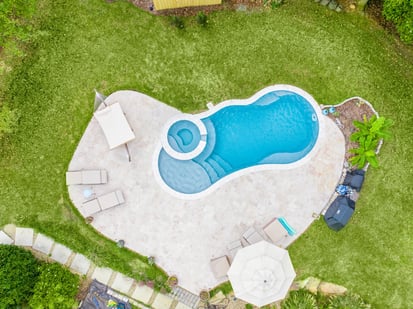
In most cases, when the spa is connected to the pool, it runs on the same system—meaning the same pump, filter, and heater. Because of that, it won’t function exactly like a traditional hot tub unless you add a separate heating system and additional equipment.
So while it looks like a hot tub, it may not feel like one without those upgrades.
Separate Pool and Hot Tub
Keeping the pool and hot tub separate gives you the most flexibility.
With this setup, the hot tub operates independently, which means it can heat faster, reach higher temperatures, and deliver a more powerful jet experience. This is often the better choice if your goal is to use the spa regularly, especially in colder months.
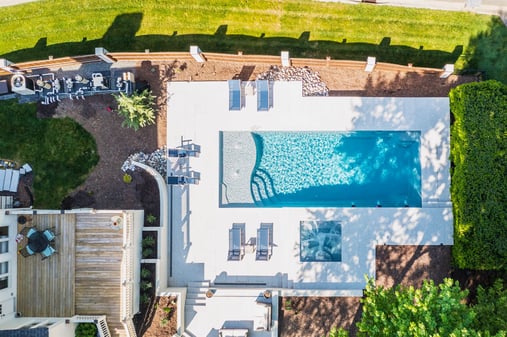
It also allows you to design each feature with a specific purpose in mind, one for activity and one for relaxation.
Spillover Spa Designs
Spillover spas are designed to connect visually to the pool while still offering a dedicated spa space. Water flows from the spa into the pool, creating a waterfall effect that adds movement and a more finished look to the backyard.
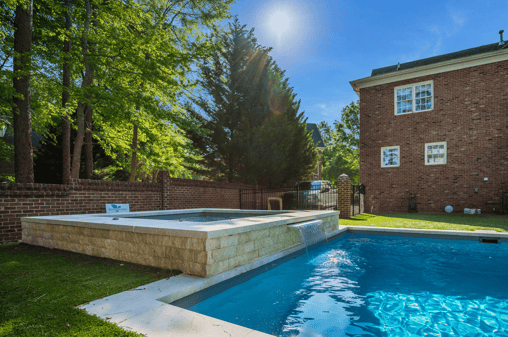
Many homeowners are drawn to this option because it blends aesthetics and function. It can feel like a hybrid between a built-in and separate spa, depending on how it’s designed and equipped.
What Are the Pros and Cons of a Hot Tub?
Pros
- Year-round use: One of the biggest advantages of a hot tub is that you can use it in almost any season. Whether it’s a cool fall evening or the middle of winter, the warm water makes it easy to enjoy your backyard more often.
- Relaxation and therapeutic benefits: Hot tubs are designed for unwinding. The combination of heat and jets can help soothe sore muscles, reduce stress, and create a more calming experience than a traditional pool.
- Smaller footprint: Because hot tubs take up less space, they’re a great option for smaller backyards or for homeowners who don’t want a large installation project.
- Lower upfront cost (compared to pools): In most cases, a hot tub will cost less to purchase and install than an inground pool, making it a more accessible starting point for many homeowners.
Cons
- Limited space and functionality: Hot tubs aren’t built for swimming or hosting larger groups. If you’re looking for a space to entertain or be active, you may outgrow it pretty quickly.
- Ongoing energy costs: Keeping water consistently heated, especially in colder climates, can increase your monthly energy bills over time.
- Less versatility: While great for relaxing, hot tubs serve a fairly specific purpose. You won’t get the same range of use that you would with a pool.

What Are the Pros and Cons of an Inground Pool?
Pros
- Versatility for activities and relaxation: An inground pool gives you space to swim, play, lounge, and entertain. Whether it’s a quiet afternoon or a weekend gathering, it can adapt to how you want to use it.
- Becomes a true backyard centerpiece: A well-designed pool can completely transform your outdoor space. It often becomes the focal point where people naturally gather.
- More design flexibility: Features like tanning ledges, lighting, entry styles, and layout options allow you to tailor the pool to your style and needs.
- Lower maintenance with fiberglass pools: Compared to other inground pool types, fiberglass pools are known for their durability and ease of maintenance, which can save time and effort over the long run.
Cons
- Higher upfront investment: Pools require a larger initial investment than hot tubs, which can be a deciding factor for some homeowners.
- Installation disruption: There’s no way around it—your yard will get messy during installation. Excavation, plumbing, and construction take time, but it’s temporary.
- Seasonal use (in many climates): Depending on where you live, your pool may not be in use year-round unless you invest in heating solutions.
- Ongoing maintenance responsibilities: While manageable, pools do require regular care to keep water clean and balanced.
When Does It Make Sense to Have Both?
For some homeowners, having both a pool and a spa just works.
If you like the idea of being active during the day and relaxing at night, or if you want something you can use even when the weather cools down, having both can create a more complete backyard setup.
It also makes sense if you have the space and budget for it, and you know you’ll actually use both features regularly. When that’s the case, the combination can add a lot of value to your day-to-day life at home.
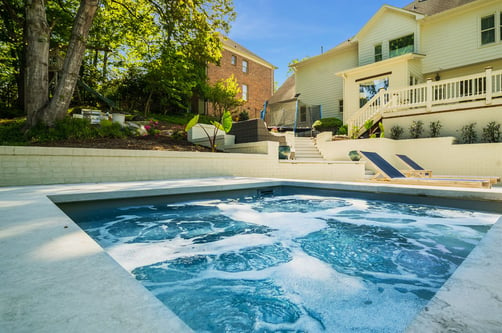
On the other hand, having both isn’t always the right move.
If your budget is tight, or if you’re drawn more strongly to one experience over the other, it may not make sense to split your investment. The same goes if you prefer a simpler setup with fewer things to maintain.
There’s nothing wrong with choosing one and doing it really well.

Final Thoughts: Choosing the Right Backyard Setup
At the end of the day, this decision isn’t about having more features—it’s about having the right ones.
Some people will get a ton of use out of both a pool and a spa. Others will find that one option fits their lifestyle perfectly. The key is being honest about how you’ll use the space once it’s there.
If you’re considering a fiberglass pool, it’s worth knowing that there are designs with built-in spa areas, as well as options that pair well with a separate spa. Just remember that a connected spa won’t function exactly like a traditional hot tub unless it’s designed with its own heating and jet system.
The goal here is simple: create a backyard that feels good to use, not just one that looks good on paper.
Frequently Asked Questions
Should I get a pool, a hot tub, or both?
It depends on how you plan to use your backyard. Pools are better for activity, entertaining, and cooling off, while hot tubs are designed for relaxation and year-round use. Some homeowners enjoy having both for different purposes, but many find that one option fully meets their needs.
What’s the difference between a built-in spa and a hot tub?
A built-in spa that’s connected to a pool typically runs on the same system, including the pump, filter, and heater. Because of that, it won’t function exactly like a traditional hot tub unless you add a separate heating system and additional equipment to increase temperature and jet performance.
What are the benefits of a hot tub?
Hot tubs are great for relaxation, muscle recovery, and year-round use. They take up less space than a pool and usually cost less upfront, making them a good option for homeowners who want a simple, low-footprint backyard feature.
What are the benefits of an inground pool?
Inground pools offer more versatility, giving you space to swim, entertain, and relax. They also tend to become the focal point of a backyard and can be customized with features like tanning ledges and lighting. Fiberglass pools, in particular, are known for being durable and lower maintenance.
From the Author
Planning a backyard with both a pool and a spa can feel exciting, but also a little overwhelming once you start comparing options.
I’m Cristian Shirilla, Marketing Manager at River Pools and co-owner of a fiberglass pool installation company in Virginia. Over the years, I’ve worked closely with homeowners who are trying to figure out exactly what you’re likely asking right now: Do I need a pool, a hot tub, or both—and what’s the right way to set it up?
This article pulls from those real conversations, along with what we’re seeing in backyards today. My goal here isn’t to push you in one direction, but to help you understand your options clearly. When you’ve got the right information, decisions like this tend to get a whole lot easier.
From the Manufacturer
At River Pools, we work with homeowners every day who are trying to decide the best way to setup their backyard. Through our experience with homeowners and independent installers, we’ve seen how different setups can impact not just the design, but how the space is actually used over time.
We also know there can be some confusion around how different systems function, particularly when it comes to built-in spa areas versus traditional hot tubs. Resources like this are meant to give you clear, straightforward information so you can evaluate your options with confidence.
If you’re considering a fiberglass pool and want to explore what a pool and spa setup could look like in your backyard, the next step is connecting with a trusted independent installer in your area. They can help you evaluate your space, walk through design options, and plan a setup that fits your goals.
Ready to start the conversation?

Topics:
