

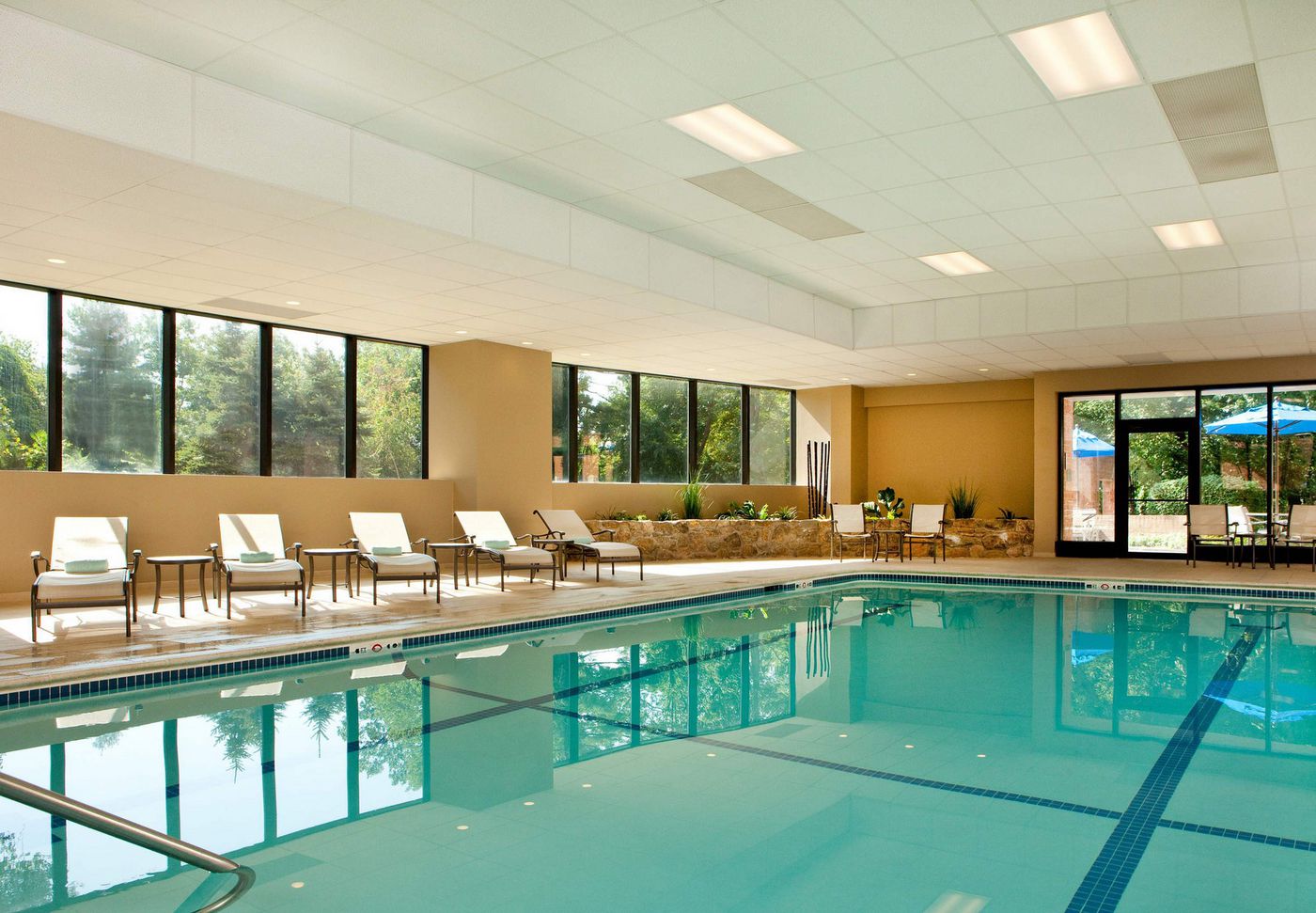
So you're considering an indoor swimming pool?
Great! An indoor swimming pool can be quite the showstopper when you bring over guests. No weather worries, no seasonal shutdown, just year-round swimming whenever you want.
But before you start picturing winter pool days in shorts and flip-flops, it’s worth understanding what goes into an indoor pool—especially the cost, construction considerations, and whether it makes sense for your situation.
Let’s walk through the basics so you can decide if it’s the right fit for your project.
What are the advantages and disadvantages of an indoor pool?
It's not just about having a pool indoors, it's about what that actually means for your day-to-day experience. Here's an honest look at both sides.
Advantages
- Year-round swimming
- Less maintenance (no leaves, less dirt, fewer headaches)
- More stable water chemistry (sunlight doesn’t burn off chlorine)
Disadvantages
- Substantially higher construction cost
- Ongoing energy costs (heating both water and air space)
- No direct sunlight for sunbathing (if basking in warm sunlight is your thing)
%20-%20Drew%20Boster.jpg?width=519&height=345&name=River%20Pools%20Twin%20Cities%20(2)%20-%20Drew%20Boster.jpg)
How much does an indoor pool cost?
Short answer? More than an outdoor pool. Long answer? Keep reading.
Based on our experience and conversations with builders from around the country, indoor pool projects in most of the United States start around $250,000-$400,000 and can go up from there.
And yes—that number can climb quickly depending on size, finishes, and location.
Here’s a simplified breakdown to show where that cost comes from:
- Pool itself: $80,000 – $200,000+
- Structure/building: $120,000 – $200,000+
- Dehumidification system: $25,000 – $40,000
When you add it all together, it’s easy to see how the total reaches (or exceeds) that $250K+ range.
A good way to think about it: You’re not just building a pool, you’re building a pool + a house around it.
Can I build a pool now and enclose it later?
Yes, we have seen this done before with indoor pool installation. The key to pulling this off is thorough project planning.
If you think you might want to enclose your pool down the road, here's what to keep in mind:
- Plan the size and layout of the future structure
- Pour footings for the future building when the pool deck is installed
- Rough in plumbing and electrical for the future structure
Skipping these steps can make adding a structure later much more complicated (and expensive).
What features should I consider with an indoor pool?
Indoor pools come with a few “must-have” features that aren’t always necessary outdoors.
Automatic Pool Covers
It's debatable whether automatic covers are worth the investment for an outdoor pool. However, for indoor pools, they're about as close to a no-brainer as it gets.
Controlling moisture is essential for the long-term success of any indoor pool structure. Auto covers virtually eliminate evaporation, keeping the water in the pool instead of in the air where it can damage walls, ceilings, and finishes over time.
They also help retain heat, which keeps your energy costs in check.
Pool Heater
Imagine dipping your toe in, and the water is freezing cold—almost like stepping into a giant ice bath!
Indoor swimming pools receive little or no direct sunlight, so they need another way to heat the pool water to that “just-right” temperature.
The tradition choice is a natural gas or propane heater, which can function in lower outdoor temperatures better than electric heat pumps. This means you'll have warm water even during the coldest months of the year.
Because let’s be honest—no one wants their indoor pool doubling as a cold plunge unless that’s the goal.

What type of swimming pool is best indoors?
There are essentially three types of inground pools: fiberglass, concrete, and vinyl liner.
Although we specialize in fiberglass pools, any of the three types of pools will work in an indoor pool application.
However, we find that one advantage of installing indoor fiberglass pools is the speed of installation.
The shell can often be installed in a day or two, which helps move the overall project along more quickly.
Fiberglass pools also come with built-in features like benches and ledges, which can help simplify the design compared to other pool types.
That said, the “best” option depends on your goals, budget, and timeline.

Is an indoor pool worth it?
Indoor pools are impressive. There’s no question about it.
They offer year-round use, lower day-to-day maintenance, and a unique experience you just can’t get with an outdoor pool, they also look super cool.
But they also come with a much higher price tag, require more space, and add a few extra responsibilities, especially when it comes to managing moisture and energy use.
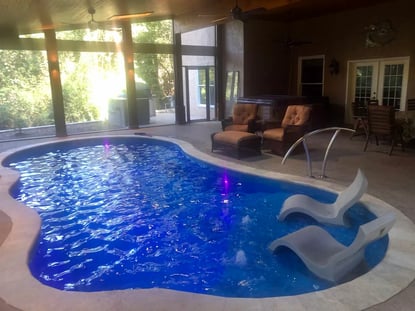
For some homeowners, that trade-off makes total sense. For others, it might be more than they’re looking for.
It really comes down to how you plan to use the pool and what makes sense for your space and budget.
Frequently Asked Questions
How much does an indoor pool cost?
Most indoor pool projects in the U.S. start around $250,000 to $400,000+. The total cost includes the pool itself, the structure around it, and a dehumidification system.
Can you build an indoor pool now and enclose it later?
Yes, but it requires planning ahead. You’ll need to account for things like structure size, footings, and utility rough-ins before the pool deck is installed.
Do indoor pools require special equipment?
Yes. One of the most important additions is a dehumidification system, which helps control moisture and protect the structure. Automatic pool covers are also highly recommended to reduce evaporation.
What type of pool is best for an indoor pool?
Fiberglass, vinyl liner, and concrete pools can all be used indoors. The best option depends on your goals, budget, and timeline, though fiberglass is often chosen for its faster installation.
From the Author
Planning an indoor pool comes with a different set of questions than a typical backyard project.
I’m Cristian Shirilla, Marketing Manager at River Pools and co-owner of a fiberglass pool installation company in Virginia. While most homeowners start out focused on outdoor pools, indoor pools come up more often than you might think during the research process.
I wrote this article to help break down what goes into an indoor pool in a way that’s easy to understand. From upfront costs to what it actually takes to build and maintain one, the goal is to give you a clear picture so you can decide if it’s something worth considering for your space.
From the Manufacturer
At River Pools, we spend a lot of time helping homeowners compare different types of inground pools and understand what goes into each option. While most projects we see are outdoor pools, indoor pools do come up in conversation.
Through our work in the pool industry and conversations with independent installers, we’ve seen how indoor pool projects can vary quite a bit depending on the space, budget, and long-term goals. They can be a great fit in the right situation, but they also require more planning and investment than most backyard pools.
If you’re exploring what a pool could look like in your space, indoors or out, the next step is connecting with a trusted independent installer in your area. They can walk through your setup, talk through options, and help you determine what makes sense for your home.
Ready to start the conversation?

Topics:
