


They’re stylish. They’re modern. And they seem like a fast, affordable way to get a pool.
But is a shipping container pool actually a smart long-term choice?
These pools have gained serious attention in recent years, especially among homeowners looking for something different. And while they offer some clear advantages, they also come with tradeoffs that aren’t always obvious at first glance.

In this article, we’ll break down the real pros, the real cons, and what you should consider before deciding if a shipping container pool belongs in your backyard.
What Is a Shipping Container Pool?
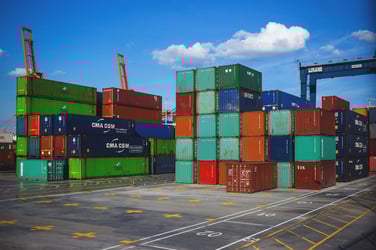
A shipping container pool is a steel cargo container converted into a swimming pool.
Most shipping container pools:
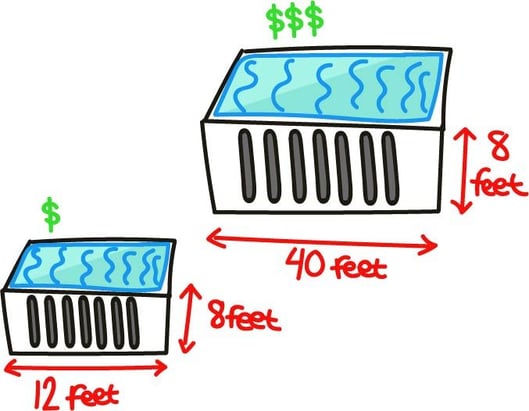
- Are 20–40 feet long
- Have a narrow rectangular shape
- Can be installed above ground, partially inground, or fully inground
- Are waterproofed using a liner, sprayed coating, concrete interior, or fiberglass insert
How Much Does a Shipping Container Pool Cost?
In today’s market, most shipping container pool units range from $35,000 to $65,000 for the base structure.
That typically includes the modified container and basic filtration, but it does not include:
- Delivery
- Crane placement
- Electrical work
- Plumbing connections
- Decking
- Permits
- Site preparation
Once fully installed, most projects realistically fall between $50,000 and $85,000 or more, depending on upgrades, location, and installation complexity.
At that point, pricing often overlaps with small fiberglass pools and other entry-level inground pools. The key is evaluating total project cost, not just the advertised starting price.
Want to hear straight from the pros? Tune into The Pool Guides Podcast for expert advice and real talk on planning and building a pool.

Shipping Container Pool Pros
1. They Offer a Modular, Pre-Built Structure
Unlike traditional inground pools that are built piece by piece on-site, shipping container pools arrive largely pre-assembled.
Because the structure is already fabricated and reinforced before it reaches your home, installation can feel more streamlined and predictable. For homeowners who prefer a factory-built approach rather than a fully custom on-site build, this modular design can be appealing.
2. They’re Stylish
Shipping container pools have a sleek, industrial look that pairs well with modern homes and minimalist backyard designs.
If aesthetics are a major priority for you, this may be one of the strongest selling points.
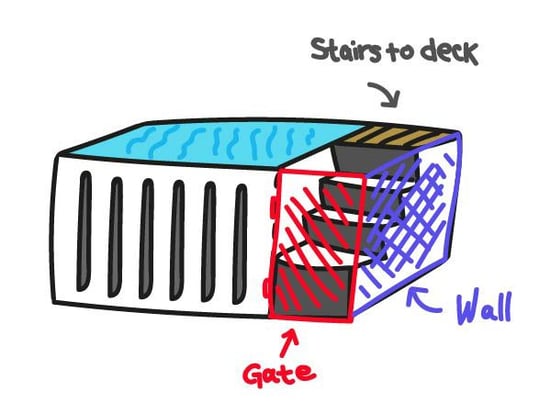
3. You May Not Need a Full Fence (If Above Ground)
Some above-ground installations may require only a lockable entry gate instead of a full perimeter fence, depending on local safety codes.
That can reduce upfront costs. However, always verify your local regulations before planning your setup.
4. They Make Excellent Lap Pools
Because of their long, narrow design, shipping container pools are well suited for lap swimming and exercise.
If your primary goal is fitness rather than entertaining, this layout can work well.
5. You Can Relocate Them
Unlike traditional inground pools, a shipping container pool can be drained, lifted by crane, transported, and reinstalled.
If you expect to move in the future, portability can be a meaningful advantage.
6. They Can Be Installed Quickly
Many container pools can be placed in a single day, with plumbing and electrical completed shortly after.
Installation timelines are comparable to fiberglass pools and much faster than concrete pools.
Shipping Container Pool Cons
1. Total Costs Can Rival Traditional Inground Pools
While the base unit price may seem affordable, once you add delivery, crane placement, decking, fencing, electrical, plumbing, and permits, the final project cost can rival many traditional inground pools.
Looking only at the starting price can be misleading.
2. The Look Isn’t for Everyone
At the end of the day, it’s still a steel cargo container. Many homeowners prefer curved shapes, freeform layouts, and wider swim areas that feel more natural and open.
3. Entry and Exit Points Can Be Limited
Above-ground container pools often have one primary access point. That can affect usability, play flow, and maintenance access compared to traditional backyard pools with multiple entry options.
4. They’re All the Same Shape
Shipping container pools are narrow and rectangular. That’s ideal for laps but not always ideal for entertaining, floating, or hosting gatherings.
If you envision a wide social swim space, the layout may feel restrictive.

5. Corrosion and Salt Can Be a Concern
Certain types of steel and water don’t naturally mix. Even with coatings and liners, the outer shell remains metal and can be susceptible to rust over time. Saltwater systems may accelerate corrosion if not carefully managed.
That can mean higher long-term maintenance.
6. Heating and Cooling Can Be More Expensive
Above-ground installations lack the natural insulation that surrounding earth provides to inground
pools.
Without that insulation, water temperatures can fluctuate more quickly, potentially increasing heating and cooling costs.
Is a Shipping Container Pool Right for You?
A shipping container pool may be a good fit if you:
- Love the modern aesthetic
- Want a lap-focused layout
- May relocate in the future
- Prefer a modular solution
It may not be ideal if you:
- Want custom shapes
- Prioritize wide swim space
- Plan to install a saltwater system
- Want a highly social backyard pool layout
The best backyard pools align with how you plan to use them, not just how they look online.
With multiple sizes and features to choose from, pricing can vary. Want a clearer idea of what your pool might cost? Try our Design and Price tool below.

Like the Concept? Consider a Fiberglass Pool
If you like the modern, rectangular look of a shipping container pool, fiberglass is another option worth considering.
Flat-bottom fiberglass pools, such as our A Series and N Series, offer that same clean layout but with proportions designed specifically for residential backyards. You get wider swim space, built-in steps or benches, and sizing options that work well for both entertaining and everyday use.
Like container pools, fiberglass models are factory built, so installation is typically streamlined. The difference is they’re engineered from the start to be permanent inground pools, designed for long-term backyard use.
If the contemporary style is what caught your attention, a flat-bottom fiberglass pool may give you the look you want in a format built specifically for a home setting.

Frequently Asked Questions
How much does a shipping container pool cost?
Most shipping container pool units range from $35,000 to $65,000 for the base structure. Once delivery, installation, electrical, decking, and upgrades are included, total project costs typically fall between $50,000 and $85,000 or more depending on location and customization.
Are shipping container pools cheaper than fiberglass pools?
Not necessarily. While the base unit pricing may appear competitive, fully installed costs often overlap with small fiberglass pools and other inground pools. Long-term durability and maintenance should also be considered when comparing options.
How long do shipping container pools last?
Lifespan depends on how the pool is waterproofed, the climate it’s installed in, and how well corrosion is managed. Steel components require ongoing protection to prevent rust.
Are shipping container pools good for small backyards?
They can work well in narrow spaces due to their slim footprint. However, their fixed rectangular design limits customization compared to many fiberglass pool models.
From the Author
Shipping container pools come up more often than you might expect when homeowners start comparing inground pool options.
They look sleek in photos and can feel like a modern, creative alternative. But once you move beyond the visuals and start considering installation realities, long-term performance, and how the pool functions in everyday life, the decision becomes more layered.
I’m Cristian Shirilla, Director of Marketing at River Pools and co-owner of a fiberglass pool installation company in Virginia. In this article, I’ll walk through what shipping container pools offer, and where they may fall short, so you can evaluate them alongside more traditional inground pool options with a full understanding of the trade-offs.
From the Manufacturer
At River Pools, we understand that homeowners considering a shipping container pool are often comparing it to more traditional inground pool options. As a fiberglass pool manufacturer, we’ve seen how different pool structures impact long-term durability, maintenance, and overall backyard usability. This article reflects what we’ve learned from working alongside independent installers and homeowners weighing modern container concepts against purpose-built fiberglass designs. Our goal is to give you clear, practical insight so you can evaluate not just upfront cost, but how your pool will perform over time.
If you’re ready to explore what a professionally engineered fiberglass pool could look like in your backyard, we’re here to help you start the conversation.
Ready to get started?

