

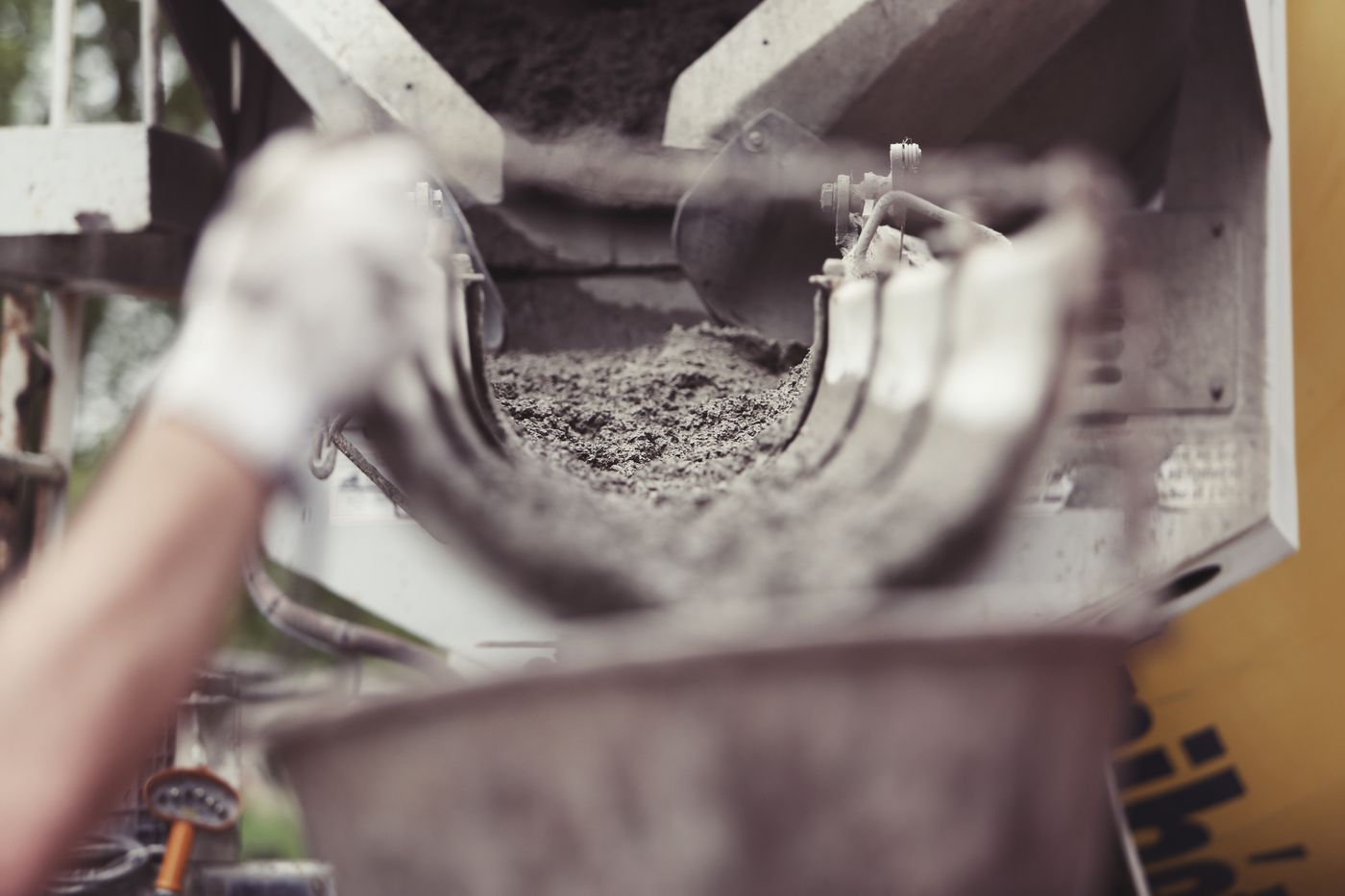
If you’re planning to get a concrete pool, you’ve probably spent time looking at designs, features, and costs. But one part of the process that doesn’t always get as much attention is what actually happens during the swimming pool construction.
Concrete pools are known for their flexibility and customization, but the way they’re built is more involved than many homeowners expect.
Before you move forward, here are four things worth understanding about how concrete swimming pool construction typically works—and what it might mean for your backyard.
1. How long does concrete swimming pool construction take?
Concrete swimming pool construction is not a quick process.
In most cases, building a concrete pool takes 3–6 months, depending on weather, scheduling, and the complexity of the design. One key reason for this timeline is the curing process, the concrete shell typically needs to sit empty for 30 days before the next steps can begin.
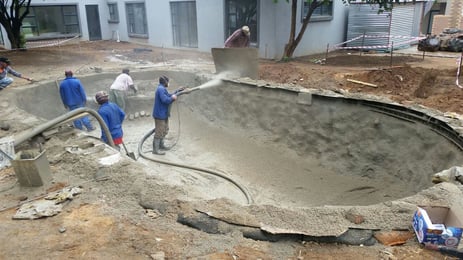
That extended timeline isn’t necessarily a bad thing, it’s just part of how concrete pools are built. But it does mean your backyard will be an active construction zone for a while, so it’s something to plan for upfront.
2. Concrete pool construction is messy.
All types of swimming pool construction involve some level of disruption, but concrete pools tend to create more of a mess.
The builders are spraying concrete out of a hose (this is typically done using the gunite process) and it gets everywhere. Contractors do their best to contain it, but it’s a lot of dust and a lot of over spraying.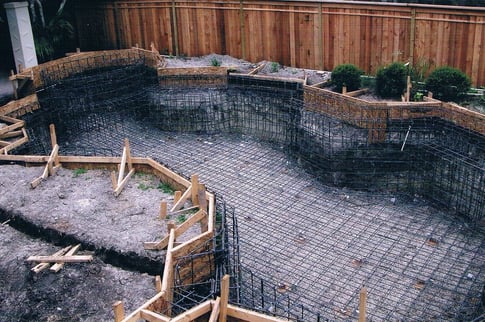
Take that and multiply it by 3–6 months. Talk about a stressful situation. And you thought dishes on the kitchen counter were bad.

3. What happens if pool water chemistry isn’t balanced during startup?
Starting up a concrete pool is really technical and involved.
After construction, the interior surface needs to be carefully managed as the pool is filled and the water chemistry is adjusted. If you don't do it right and the pH, calcium hardness, or chlorine levels are off early on, you could stain or damage the surface.
.jpg?width=300&height=225&name=pool-stains%20(1).jpg)
4. How many people are involved in concrete pool construction?
One unique aspect of concrete swimming pool construction is that it happens entirely on-site—and in multiple phases.
There are ten phases involved, and each phase requires a different skill set.
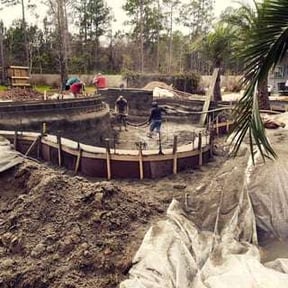
Sometimes you’ll have one person who excavates, another person who ties steel, someone else who does plumbing, another person who shoots the pool shell, one company for the tiles, another company for plaster, another for coping and decking…
All those different phases are potentially different people. That’s a lot of people who are coming into your backyard. I’m not saying Stranger Danger, but it can be uncomfortable.
What about other types of swimming pool construction?
If the idea of concrete pool construction gives you the heebie-jeebies, you may want to compare it to your other options, vinyl liner pools and fiberglass pools.
The swimming pool construction process can look quite different depending on the type of pool you choose.
- Vinyl liner pools are also built on-site but typically involve fewer construction phases and a shorter timeline, often around 4-8 weeks from start to finish.
- Fiberglass pools are manufactured off-site and delivered as a finished shell. Because of that, installation is usually quicker, with most projects completed in about 3-5 weeks once permitting is complete. In some cases, installation itself may take as little as a couple weeks.
Every option has its own process, it’s just a matter of which one lines up best with what you’re expecting before things get started.

What to know about concrete swimming pool construction
Concrete pools offer a high level of customization, but that flexibility comes with a more involved construction process.
For some homeowners, that trade-off makes perfect sense. For others, the timeline, coordination, and on-site work are important factors to think through ahead of time.
The more familiar you are with what swimming pool construction actually looks like—day to day—the easier it is to plan your project with confidence and avoid surprises along the way.
Frequently Asked Questions
How long does concrete swimming pool construction take?
Concrete swimming pool construction typically takes 3–6 months, depending on factors like weather, design complexity, and scheduling. Part of that timeline includes a curing period where the concrete shell sits for about 30 days before moving forward.
Why is pool startup important for concrete pools?
The startup phase is critical because the pool’s interior surface is still curing and stabilizing. If water chemistry isn’t properly balanced early on, it can lead to staining, scaling, or surface damage. Proper guidance during this phase helps avoid those issues.
What makes concrete pool construction different from other pool types?
Concrete pools are built entirely on-site and allow for a high level of customization. That flexibility comes with a more involved construction process, including longer timelines and multiple phases compared to other pool types.
Are other types of pool construction faster than concrete?
In many cases, yes. Vinyl liner pools typically take about 4–8 weeks, while fiberglass pools are often installed in about 3–5 weeks once permitting is complete, with some installations finished even faster.
From the Author
Planning a pool often starts with the fun parts—design, features, and how it will look when it’s finished. But the construction process itself can raise just as many questions once you start digging into the details.
I’m Cristian Shirilla, Marketing Manager at River Pools and co-owner of a fiberglass pool installation company in Virginia. A big part of what I focus on is helping homeowners understand what actually happens during swimming pool construction, so there are fewer surprises along the way.
I wrote this article to walk through a few of the less-talked-about aspects of building a concrete pool, so you have a clearer picture of what the process looks like before it begins.
From the Manufacturer
At River Pools, we manufacture fiberglass pool shells and work with independent installers across the country who bring pool projects to life in a wide range of backyards.
Because of that, we see how different types of swimming pool construction come together—from the timelines and sequencing to how each phase is handled on-site.
Resources like this are meant to give you a clearer picture of what that process can look like, so you can move forward with realistic expectations as you plan your project.
If you’re starting to think about what kind of pool might fit your backyard, the next step is connecting with a trusted independent installer in your area. They can walk through your space, answer your questions, and help you plan your next steps.
Ready to start the conversation?

