

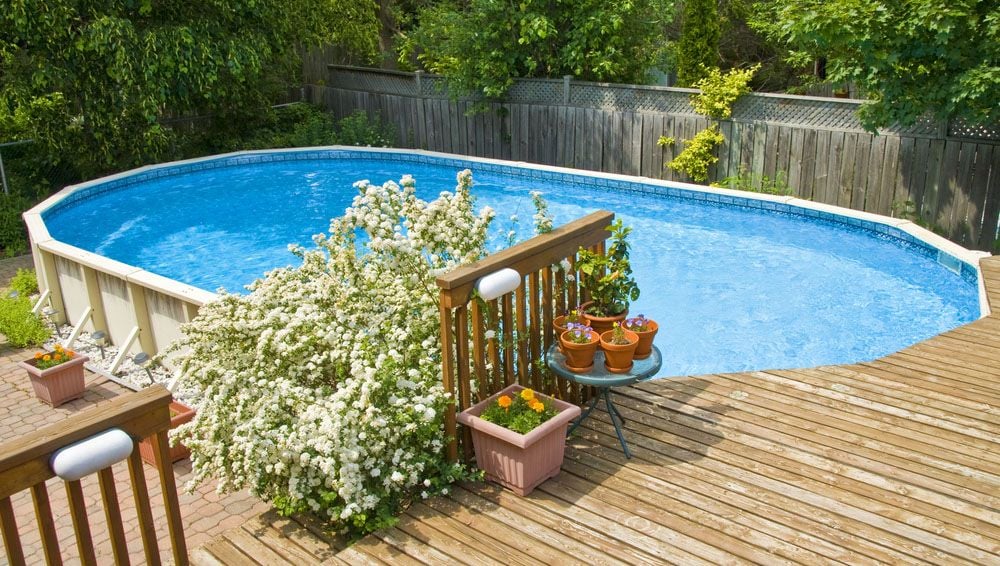
For many homeowners, an above ground pool is the fastest and most affordable way to add a swimming pool to the backyard.
Although we specialize in inground fiberglass pools, we regularly hear from families comparing all kinds of pool options. Some are working with tighter budgets, while others want to try out pool ownership before committing to a permanent installation.
To help you explore your options, this guide covers the typical sizes, types, and costs of above ground pools so you can decide what makes the most sense for your family.

How Big Are Above Ground Pools?
The first thing to consider when you’re looking to install an above ground pool is the size. This includes both the shape of the pool and the dimensions.
Most above ground pools are offered in two different shapes - round and oval.
Smaller, more conservative pools are 12 to 18 feet in diameter while larger pools can go up to 33 feet round or 21 x 41 feet in the oval shape.
Important Fact: Pool measurements are based on the water dimensions of the pool, so it’s imperative that you allow for extra space.
How Deep Are Above Ground Pools?
Most above ground pool measurements range from 48 to 54 inches deep, or 4 to 4.5 feet, but the exact depth will vary by manufacturer and model.
What Are the Different Types of Above Ground Pools?
Once you’ve chosen the size and shape of your pool, it’s time to decide which type of pool you want. The two main above ground pool types are soft side, and rolled-wall or slat wall.
Soft Side Pools
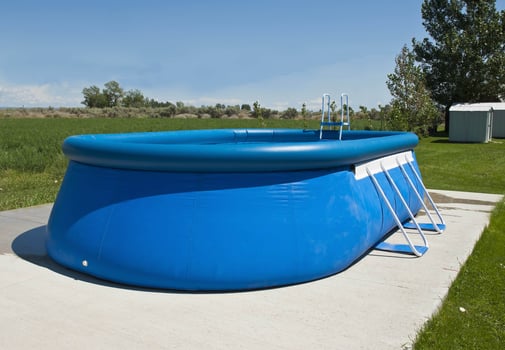
If you’re looking for something quick, easy, and cost-effective, then a soft side pool might be your best option. Soft sided above ground pools typically range from about $200 to $2,500, depending on the size and frame type. Most come packaged in a single box with the pool, pump, and filter included. Because they are generally smaller pools, their operating costs also tend to be lower.
Pros of Soft Side Pools
- A great trial option: Soft side pools can be easily installed on a patch of flat grass, no professionals required. They can also give you a feel for whether you’d like to have a more permanent swimming pool.
- Mobility: You can move it to different locations if needed.
- Easy to find: This type of pool can be purchased from many online retailers or even picked up while you’re shopping for groceries.
Cons of Soft Side Pools
- Not permanent: Though it may be convenient to move this type of pool as needed, it is not a permanent option and must be taken down completely at the end of the season.
- Limited durability: These pools are not built for long-term use and typically only last a few seasons.
- The overall look: It’s harder to customize a temporary pool. Lack of landscaping and deck can take away from the aesthetic of the rest of your yard.
Rolled-Wall and Slat Wall Pools
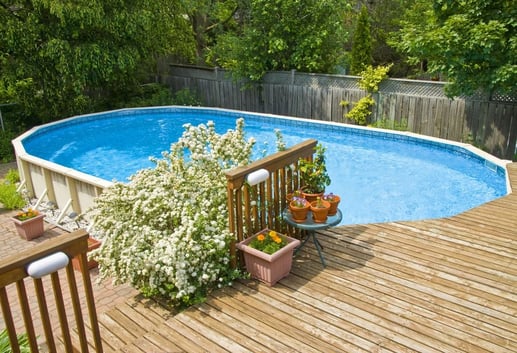
Easily the most common type of above ground pool, rolled-wall and slat wall pools are typically made from corrugated steel, aluminum, or resin walls with vertical supports and horizontal top rails. A fitted vinyl liner inside the structure holds the water.
Pool kits can cost about $1,500 to $8,000, while professionally installed above ground pools typically range from about $6,000 to $20,000 or more, depending on the size, materials, and additional features like decking or upgraded equipment.
Pros of Rolled and Slat Wall Pools
- Longer-lasting: With proper maintenance, rolled and slat wall pools can last 10 plus years.
- Nice look: Rolled wall and slat wall pools have continued to get better in appearance and now can be easily integrated into your backyard design.
- Better filtration: With professional-grade pumps, rolled and slat wall pools tend to have clearer, cleaner water than soft side pools.
Cons of Rolled and Slat Wall Pools
- Not weather resistant: Strong storms, harsh winters, and lots of wind can do severe damage to rolled and slat wall pools, which is often not covered under a warranty.
- Maintenance costs: Between liner replacements, chemical upkeep, and accessories (pool covers, filtration system, etc.), regular maintenance costs can add up.
- Rust and Corrosion: With any metal structure, rust and corrosion will eventually take hold over time. This process is sped up due to the water and chlorine.

What Additional Costs Come With an Above Ground Pool?
Along with the pool itself, there are a few additional costs that come with owning an above ground pool. The upfront price is just one part of the equation—here are a few other expenses you’ll want to plan for:
- Liner pricing: Most above-ground pool liners cost between $150 and $900 depending on size, thickness, and design.
- Filter and pump: Basic setups start around $150–$300, while higher-end systems can run $500–$1,000+.
- Pool ladder and decking: Ladders can be as low as $70, but larger entry systems or surrounding decks can add up quickly.
- Water: You’ll need to account for the initial fill and topping it off throughout the season.
- Cleaning supplies: Nets, brushes, vacuums, and water-balancing chemicals are all part of regular pool maintenance.
What’s the Best Above Ground Pool for You?
If you’re shopping for an above ground pool because you’re not ready to make a major commitment in space or costs, you might want to choose something like a soft side pool so that you can try it out first.
Rolled-wall or slat wall pools are better options for those who want an above ground pool that will last several years. You may have to deal with rust (if the walls are metal) and work on maintaining the liner, but your family will be swimming for at least a few summers. Remember, if you live in a stormy or windy area, a rolled-wall or slat wall pool may not be your best option.
If you know that you like the look of an above ground pool and you want to fully integrate one into your backyard, you may want to consider building an inground pool above ground. This includes vinyl liner, fiberglass, and concrete.
Keep in mind that you can always go with a temporary option and graduate to a more permanent pool type if you enjoy the experience and responsibilities of being a pool owner.
Bottom line, the best pool for you is the one that brings the most joy to your family. After all, having a pool is supposed to be exciting, fun, and relaxing.
Frequently Asked Questions
How deep are above ground pools?
Most above ground pools are 48–54 inches deep, which is roughly 4 to 4.5 feet of water. Exact depth can vary slightly depending on the manufacturer and model.
What are the main types of above ground pools?
There are two main types:
Soft side pools: Inexpensive, portable, and easy to set up.
Rolled-wall or slat wall pools: Sturdier pools with metal or resin walls and a liner, designed to last several years.
How much does an above ground pool cost?
Costs can vary depending on the type of pool. Soft side pools typically range from about $200 to $2,500, while rolled-wall or slat wall pools can cost about $1,500 to $8,000 for the pool kit, or $6,000 to $20,000 or more if professionally installed. Additional expenses such as pumps, liners, ladders, water, and chemicals can also increase the overall cost.
Which above ground pool type lasts the longest?
Rolled-wall or slat wall pools are the most durable above ground option. With proper maintenance, they can last 10 years or more, but they may require liner replacements and ongoing maintenance over time.

From the Author
For many families, above ground pools are the first step toward creating a backyard space where they can relax, cool off, and spend more time together. But choosing the right option can feel overwhelming when you're comparing sizes, costs, and types of pools.
I’m Jason Hughes, a partner at River Pools Virginia and a fiberglass pool installer with more than 20 years of hands-on experience helping homeowners plan and install swimming pools. Over the years, I’ve spoken with countless families who are exploring their first pool and trying to decide whether an above ground pool is the right fit for their budget and backyard.
I wrote this article to walk through the most common above ground pool options, costs, and considerations so you can better understand what to expect and choose the pool that works best for your family.
From the Manufacturer
At River Pools, we know that many families begin their pool search looking for the most affordable and accessible option.
Through our work with homeowners and independent installers across the country, we’ve seen how different pool types serve different needs. For some families, an above ground pool is a simple way to try out pool ownership before committing to something more permanent. For others, it’s the first step in exploring long-term options like fiberglass, vinyl liner, or concrete pools.
Our goal with resources like this is to help you understand the differences between pool options so you can evaluate what might work best for your space, your budget, and your family’s plans.
If you’re ready to explore what a more permanent pool could look like in your backyard, the next step is connecting with a trusted independent installer in your area who can walk through your yard and help you evaluate your options.
Ready to start the conversation?

Topics:
