

If you’ve been researching inground pools for a while, you already know there are ongoing costs, chemicals, utilities, and regular maintenance.
But what catches many homeowners off guard are the extra costs that show up after installation.
Some are optional upgrades. Others are occasional (but important) expenses. And a few are just part of owning a pool that people don’t always think about upfront.
At River Pools, many of us are pool owners ourselves, so we’ve seen these costs firsthand. The goal here isn’t to scare you, it’s to help you plan ahead so there are no surprises later.
Let’s walk through the most common ones.
What are the hidden costs of owning an inground pool?
1. Insurance
Owning a pool usually means updating your homeowners insurance policy. There are two main areas to consider: coverage for damage to the pool itself and liability coverage.
Because pools come with an increased risk of accidents, most homeowners will need to increase their liability coverage. Even if you take every precaution, this is something insurance providers require.
More than likely, you'll need to increase your coverage, which can add to your overall yearly expenses.
2. Safety Features
Safety features are one of those costs that many homeowners add after the pool is installed.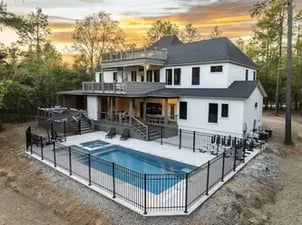
While insurance helps protect you financially, safety systems help prevent accidents in the first place.
Depending on your setup, this could include fencing, alarms, automatic covers, or even cameras.
Costs can vary widely depending on how far you go, but it’s not uncommon for homeowners to spend anywhere from a few hundred to several thousand dollars here.
3. Pool Covers
A swimming pool cover can feel like a one-time purchase, but in reality, it’s something that may need maintenance or replacement over time.
Basic covers are relatively affordable, but higher-end options like automatic covers can cost anywhere from $8,000 to $20,000 or more. Beyond the initial purchase, covers can tear, require replacement parts, or need servicing.
There are also smaller associated costs that come up, like replacing a cover pump (usually a few hundred dollars) or hiring help to install and remove the cover seasonally.
4. Filter Cartridges, Sand, or D.E
Your pool’s filtration system will need occasional upkeep.
Cartridge filters typically need to be replaced every one to two years, while sand filters may need new sand every three to five years. D.E. filters require more frequent attention, as the D.E. material needs to be replenished regularly.
These aren’t constant expenses, but they’re recurring enough that they should be part of your long-term budget.
5. Pool System Replacement Parts
Even with proper maintenance, pool equipment doesn’t last forever.
At some point, you may need to replace parts of your system, anything from a valve to the pump itself. A pool pump replacement, for example, can cost anywhere from about $800 to $2,000 or more depending on the system.
Warranties may cover some of these costs early on, but over time, it’s something most pool owners will encounter.
6. Pool Repairs
Repairs are one of the more unpredictable costs of pool ownership.
Depending on the type of pool, issues can include plumbing leaks, surface damage, or structural concerns. Vinyl liner pools may need liner replacements or repairs, while concrete pools may develop surface cracks over time.
Even smaller issues can cost a few hundred dollars, while larger repairs can reach into the thousands, especially if water loss leads to additional damage.

7. Pool Light Replacements
Pool lights are easy to overlook until something stops working.
Modern LED pool lights can last a long time, up to 30,000 hours, but they don’t last forever. Replacing a light can cost anywhere from about $400 to $900 or more once labor is included.
If you’re dealing with older lighting systems, the bulbs may be cheaper, but those systems are becoming less common.
8. Pool Accessories
Once your pool is installed, most homeowners start adding accessories.
This can include floats, games, and in-pool furniture. While individual items might not seem expensive, it adds up over time. A single piece of in-pool furniture can cost $150 to $900 or more, and pool games or equipment can easily add a few hundred dollars on top of that.
It’s one of those costs that builds gradually rather than all at once.
9. Pool Landscaping
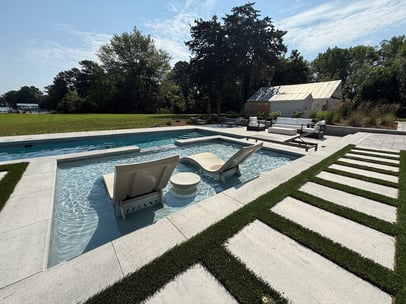
After the pool is in, many homeowners decide to upgrade the surrounding space.
This can range from simple additions to more extensive landscaping projects designed to enhance the overall look and feel of the backyard. Depending on the scope, landscaping can cost anywhere from $1,000 to $10,000 or more.
It’s not required, but it’s a common next step once the pool is complete.
10. Obligatory Pool Parties
This one might not show up on a quote, but it’s real.
Once you have a pool, friends and family will want to come over. Hosting can mean spending money on food, drinks, and supplies, especially during the summer months.
It’s not a required cost, but it’s one many pool owners end up taking on (and usually enjoying).
Our advice: make your parties potluck if you want to save some cash. After all, you are supplying the entertainment.
With multiple sizes and features to choose from, pricing can vary. Want a clearer idea of what your pool might cost? Try our Design and Price tool below.

11. Opening and Winterizing Your Pool
Opening and closing your pool each season can be time-consuming, which is why many homeowners hire a professional.
Typical costs range from about $300 to $500 per service, meaning you could spend $600 to $1,000 or more each year if you outsource both.
Some homeowners choose to handle this themselves, but it’s still something to plan for either way.
Read more : When is the Best Time to Open My Swimming Pool?
Read more : When Should I Close My Pool for the Winter?
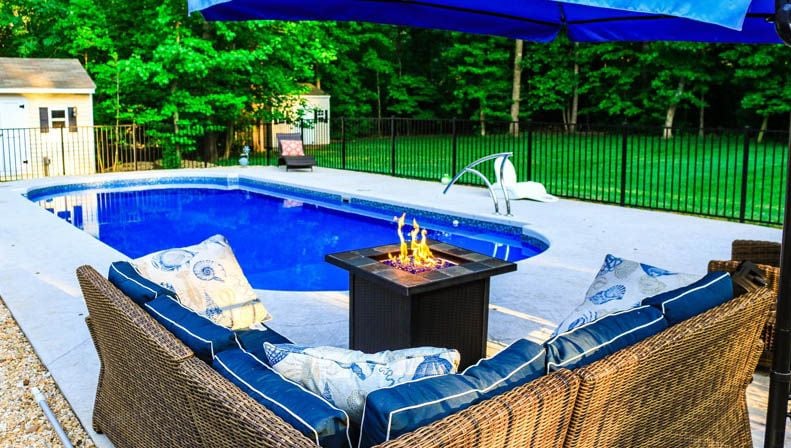
12. Pool Patio Furniture
Outdoor furniture is another cost that often gets overlooked.
Because it’s exposed to sun, weather, and regular use, it doesn’t last forever. A quality set of patio furniture can cost anywhere from $500 to $2,500 or more, and replacing it over time can add up to several thousand dollars.
.jpeg?width=416&height=311&name=021.%20River%20Pools%20I25%20in%20Maya%20Shimmer%20with%20concrete%20paver%20patio%20and%20coping%20(1).jpeg)
What do these hidden pool costs mean for you?
Owning an inground pool isn’t just about the upfront cost, it’s about understanding the full picture.
Not every homeowner will pay for all of these, and some costs are completely optional. But knowing what could come up helps you plan ahead and avoid surprises.
For many families, these costs are well worth it for the enjoyment a pool brings. The key is going in with clear expectations so you can budget confidently and enjoy your backyard without second-guessing every expense.
Frequently Asked Questions
What are the hidden costs of owning an inground pool?
Beyond regular maintenance, hidden costs can include insurance increases, safety features, equipment repairs, landscaping, pool covers, and seasonal services like opening and closing your pool.
Do you have to pay more for homeowners insurance with a pool?
Yes, most homeowners will need to increase liability coverage after installing a pool. This will require you to increase your coverage, which can add to your overall yearly expenses.
What pool equipment needs to be replaced over time?
Common replacements include filter media (cartridges, sand, or D.E.), pool pumps, and lights. These items don’t need constant replacement, but they will wear out over time and should be budgeted for.
Are pool repairs common after installation?
Repairs aren’t guaranteed, but they do happen. Issues like leaks, liner damage (vinyl pools), or surface wear can occur over time, with costs ranging from a few hundred to several thousand dollars depending on the problem.
What optional costs should I expect after installing a pool?
Optional costs can include landscaping, patio furniture, accessories, safety upgrades, and even hosting pool parties. While not required, many homeowners choose to invest in these over time.

From the Author
One of the biggest surprises for many pool owners isn’t the upfront cost, it’s everything that comes after.
I’m Marcus Sheridan, co-founder of River Pools Virginia, and for more than 20 years, I’ve worked with homeowners navigating the pool buying process from start to finish. Over time, I’ve had thousands of conversations with families trying to understand not just what a pool costs to install, but what it actually costs to own.
I wrote this article to help bring clarity to those often-overlooked expenses, so you can go into your pool project with realistic expectations and fewer surprises down the road. The goal is simple: give you the information you need to plan ahead and feel confident in your decision.
From the Manufacturer
At River Pools, we’ve found that one of the biggest challenges for homeowners isn’t understanding the upfront cost of a pool, it’s knowing what to expect after it’s installed.
Through our work with independent installers and homeowners across the country, we’ve seen how factors like maintenance, equipment, and backyard upgrades can all influence the long-term cost of pool ownership. That’s why we create resources like this, to help you understand the full picture before you move forward.
If you’re considering a fiberglass pool and want to see how it might fit your backyard and budget over time, the next step is connecting with a trusted independent installer in your area. They can walk through your options and help you plan a project that aligns with your goals.
Ready to start the conversation?

Topics:
