

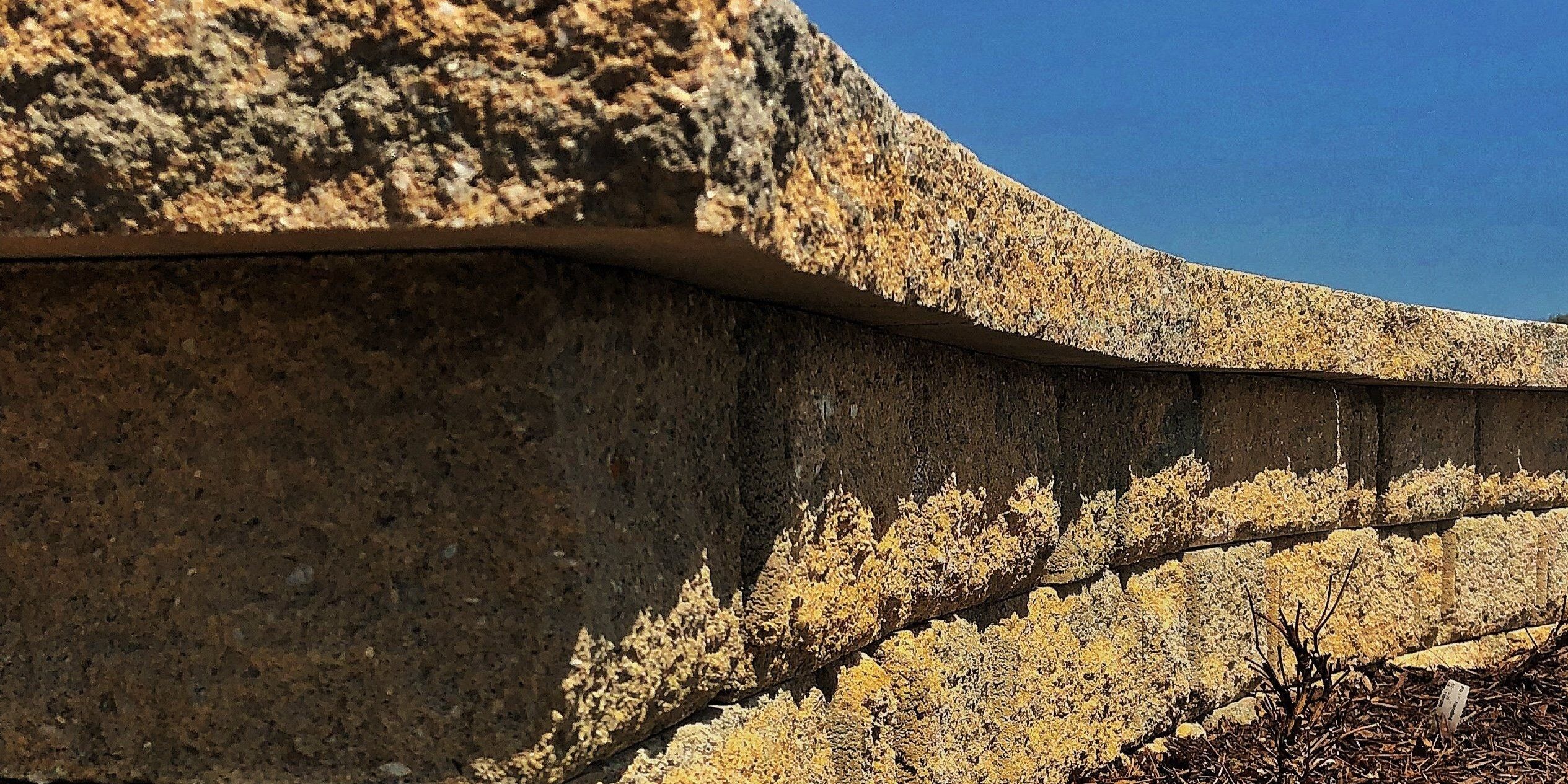
Retaining walls are one of those pool project features that homeowners rarely think about, until they're told they might need one.
At first glance, a retaining wall can feel like an unexpected addition to the project. But depending on your backyard's elevation, drainage, and overall design, it can play an important role in protecting your pool area and creating a more functional outdoor space.
The good news is that retaining walls aren't always just about solving a problem. When incorporated thoughtfully, they can become one of the most attractive and useful features in the backyard.
Let's take a look at what retaining walls do, when they're needed, and how they can impact the design of your swimming pool project.
What is a Pool Retaining Wall?
A retaining wall is a structure designed to hold back soil and manage changes in elevation around a pool.
Whether your yard slopes toward the pool area, away from it, or drops off sharply in one direction, a retaining wall can help create a stable, usable space for your pool, patio, landscaping, and outdoor living areas.
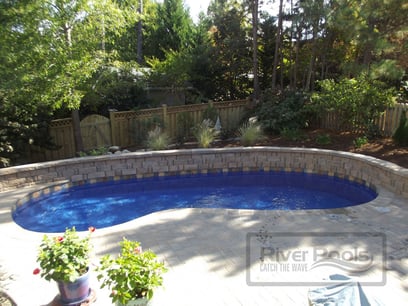
But retaining walls do more than just hold dirt in place. Depending on the project, they can:
- Help prevent erosion and soil movement
- Redirect water away from the pool and patio
- Create usable space on sloped properties
- Support surrounding landscaping and hardscapes
- Add visual interest to the overall backyard design
Some retaining walls are primarily functional. Others become standout features that include built-in seating, water features, raised patios, or landscape beds.
When do I need a retaining wall for my pool?
Here's the reality: very few pool projects happen in a perfectly flat backyard.
That's where retaining walls often enter the conversation.
Sometimes, a pool can be installed with grading, drainage solutions, and proper backfill. Other times, a retaining wall is simply the smartest way to create a safe and functional pool area.
One of the most common reasons for a retaining wall is controlling water runoff.
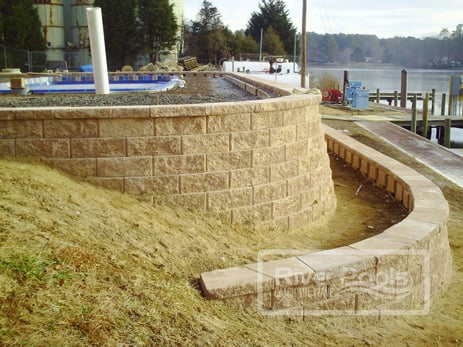
Without proper drainage, rainwater flowing downhill can carry dirt, mulch, leaves, and other debris directly into the pool and surrounding patio area. A retaining wall can help redirect water away from the pool area and reduce the risk of erosion over time.
In some situations, a French drain may be enough to intercept runoff before it reaches the pool area. However, if the pool requires cutting into an existing slope, a retaining wall may be the best long-term solution.
This is why grading and drainage should always be evaluated early in the design process. A retaining wall isn't always required, but overlooking the need for one can create problems long after construction is complete.
Swimming Pool Retaining Wall Design Ideas
One thing I always encourage homeowners to think about is how a retaining wall can do more than solve a grading problem.
A retaining wall can become an intentional part of the backyard design and, in some cases, one of its most useful features.
Here are a few types of pool retaining walls:
- Built-in seating: A retaining wall that's around 20 to 24 inches tall can double as a sitting wall, giving guests a place to gather without taking up valuable patio space with additional furniture.
- Raised patio areas: If your backyard has a slope, a retaining wall can help create an elevated patio that's perfect for outdoor dining, lounging, or entertaining.
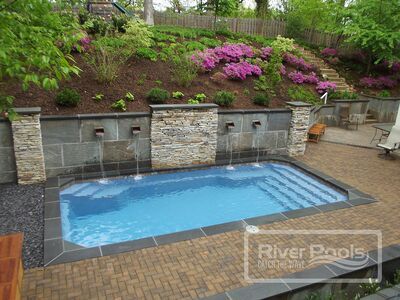
- Waterfalls and cascades: Retaining walls often make a great backdrop for water features. If you've always liked the look and sound of a waterfall, this may be an opportunity to incorporate one into your pool design.
- Landscape beds: A retaining wall can create a natural place for flowers, shrubs, ornamental grasses, or other landscaping elements that add color and texture to the backyard.
- Defined outdoor living spaces: In larger backyards, retaining walls can help separate different areas for swimming, dining, relaxing, or gathering around a fire pit, making the space feel more organized and functional.

How Much Does a Pool Retaining Wall Cost?
The cost of a retaining wall is influenced by several factors, including its height, length, materials, drainage requirements, site conditions, and whether engineering is required.
In general, a small decorative retaining wall may cost between $2,000 and $10,000, depending on its size and materials. An engineered retaining wall that is designed to hold back significant amounts of earth typically starts at around $15,000 and can cost considerably more for taller walls or more complex sites.
A Few Things to Keep in Mind
If a retaining wall ends up being part of your project, here are a few things worth keeping in mind.
First, be aware that many counties require retaining walls over a certain height to be engineered. In many areas, that threshold is around two feet, although requirements can vary depending on where you live.
It's also important not to sell yourself short on the length of the wall. When a retaining wall is being used to help manage water runoff, carrying it a few extra feet beyond the problem area can make a big difference. Otherwise, water may simply find its way around the end of the wall and back toward the pool or patio.
Like many aspects of pool design, retaining walls work best when they're considered from the beginning rather than added as an afterthought. With the right planning, a retaining wall can protect your pool area, improve drainage, create more usable space, and become a feature that enhances the overall look of your backyard.
Frequently Asked Questions About Retaining Walls
What is a retaining wall?
A retaining wall is a structure designed to hold back soil and manage changes in elevation around a pool. It can help create a level area for the pool and patio while also helping control erosion and water runoff.
When is a retaining wall needed for a swimming pool?
A pool may need a retaining wall when the backyard has significant slopes, elevation changes, or drainage challenges. Retaining walls are often used to create a stable area for the pool and help prevent runoff from reaching the pool and patio.
How do retaining walls protect a pool?
Swimming pool retaining walls prevent erosion, divert rainwater and debris from entering the pool, stabilize the ground around the pool, and can help maintain the integrity of the pool structure on uneven terrain.
How much does a pool retaining wall cost?
The cost of a pool retaining wall depends on factors such as its size, materials, drainage requirements, site conditions, and whether engineering is required. Decorative retaining walls typically cost between $2,000 and $10,000, while structural retaining walls that hold back significant amounts of earth typically cost $15,000+.

From the Author
Retaining walls are one of those things most homeowners don't think much about until they start planning a pool and discover their backyard isn't quite as flat as they thought.
I'm Jason Hughes, a partner at River Pools Virginia and a fiberglass pool installer with more than 25 years of hands-on experience in the swimming pool industry. Over the years, I've walked thousands of backyards with homeowners, and one of the most common challenges we run into is figuring out how to work with the natural slope and drainage of a property.
I wrote this article to help you understand when a retaining wall may be needed, what purpose it serves, and how it can impact the overall design of your pool project.
From the Manufacturer
At River Pools, we know that planning a pool often involves much more than choosing a pool shape or size. Things like grading, drainage, patios, landscaping, and outdoor living spaces can all play an important role in the success of a project.
Retaining walls can help solve challenges related to elevation changes while also creating opportunities for more functional and attractive backyard designs.
If you're considering a fiberglass pool and wondering whether a retaining wall may be part of the project, the next step is connecting with a trusted independent installer in your area. They can evaluate your property's grading, discuss design options, and help you understand what solutions make the most sense for your backyard.
Ready to start the conversation?

