

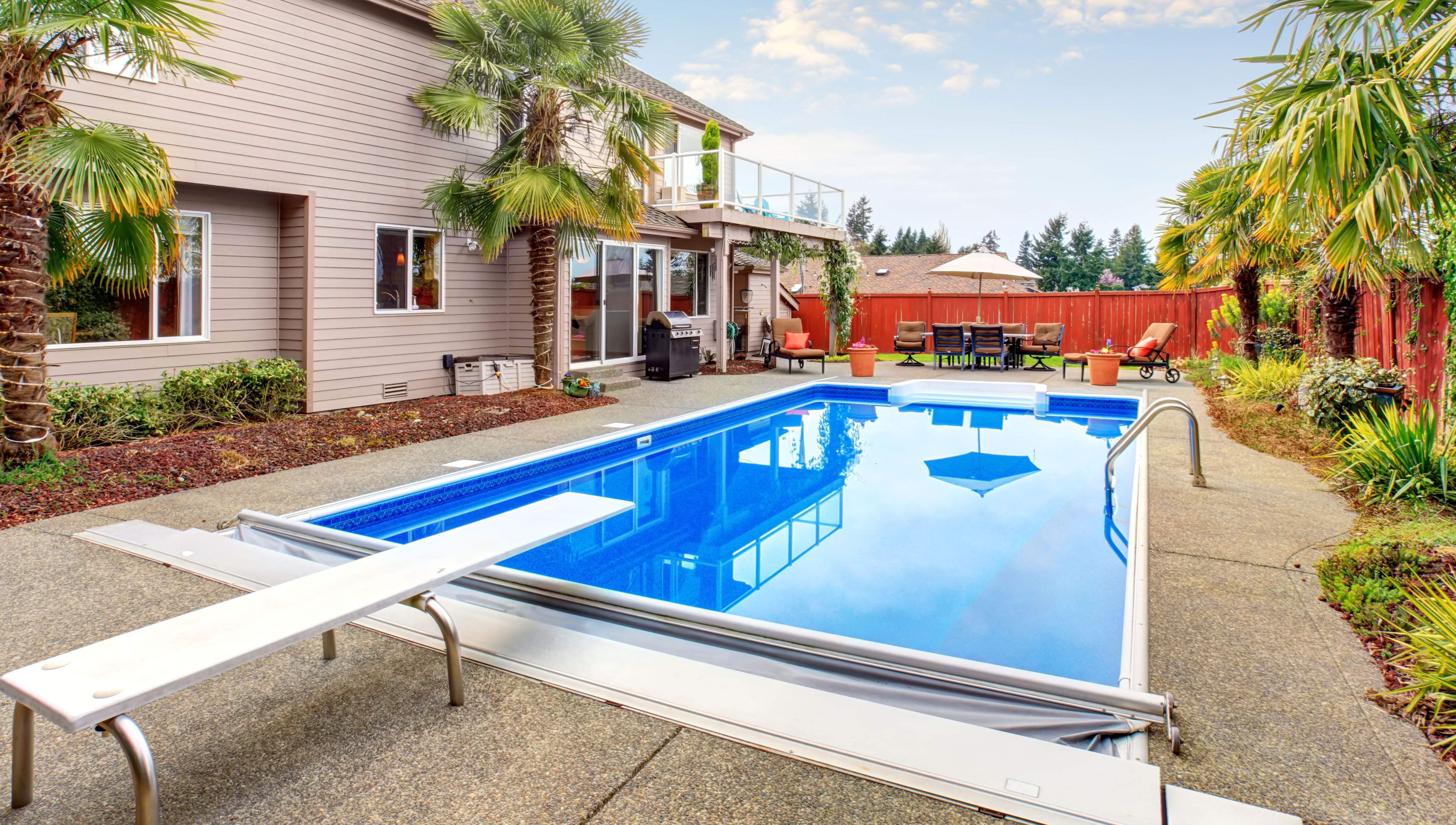
If you’re considering an automatic pool cover, you might be wondering what it takes to keep it running smoothly.
Let’s be honest, traditional swimming pool covers can be a hassle. Whether it’s a heavy winter cover or even a more durable mesh or solid safety cover, putting them on and taking them off isn’t exactly something you look forward to.
It can take time, effort, and sometimes even a second set of hands just to get the job done. Because of that, a lot of folks end up delaying opening their pool in the spring or skipping the cover altogether during the season, even though they know it would help keep the water cleaner and warmer.
That’s where automatic pool covers come in. They make it easy to keep your pool protected, help retain heat, and add an extra layer of safety for children and guests, all with the push of a button.
But like any piece of equipment, automatic pool covers do require some regular care to keep them working properly.
In this article, we’ll walk you through the simple maintenance steps that can help keep your automatic pool cover working properly and lasting for years to come.
What daily maintenance does an automatic pool cover need?
Daily maintenance sounds more daunting than it is. There are just two tasks that need to be performed to ensure your automatic pool cover lasts as long as possible:
- Make sure the cover remains closed - This will help to heat your pool. In fact, by keeping the pool cover closed, you could increase the temperature by 10-15 degrees. Already have a heated pool? The automatic pool cover will help to maintain the heat instead of letting it dissipate into the air. The heavy vinyl actually works better than a solar cover.
- Monitor your water chemistry - One of the downsides of an automatic pool cover is that it tends to hold in chemicals. When that happens, chlorine levels cannot dissipate like they normally would, which can corrode your pool cover. To combat this, keep your chlorine levels at the bare minimum and check them regularly.
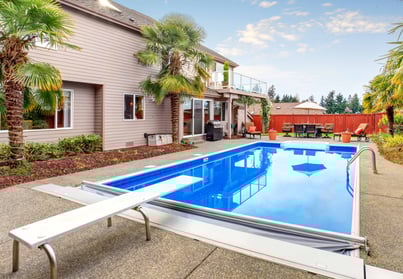
Automatic pool cover on vinyl inground pool
What weekly maintenance should I do for my automatic pool cover?
Much like daily maintenance, by doing a few tasks once a week, you’ll prolong the lifespan of your pool and automatic pool cover.
- Retract the cover - Even if you keep chlorine levels at the bare minimum, you’ll still need to allow the chlorine byproducts to dissipate from your pool surface. To do this, simply retract the cover once a week. This is also a good time to add any chemicals that are needed. Just keep in mind that it’s important to leave the pool open for several hours for the chemical levels to subside.
- Maintain your water level - A major benefit to an automatic pool cover is that you don’t have to worry about a ton of evaporation. With that said, you do need to make sure the water levels remain consistent. If the water level dips below the mid-skimmer point, it can put massive amounts of stress on the webbing, ropes, and tracks, which can cause the cover system to collapse. That’s also why it’s important to fix any pool leaks right away.
- Keep it clean - The easiest way to clean the top of an automatic pool cover is to use a leaf blower to remove any leaves or debris. But it’s especially important to remove rainwater to avoid added stress on the cover itself. To do this, you can use a water hose to remove debris, then a shop vac or pool cover pump to suck up the water.
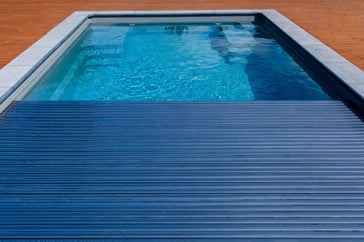
Automatic pool cover on fiberglass swimming pool
What monthly and yearly maintenance does an automatic pool cover need?
By keeping up with maintenance on your pool cover daily and weekly, it makes the job of monthly and yearly cleanings much easier and allows you to focus on the bigger tasks such as:
- Cleaning the cover tracks - It’s normal for the tracks to have a build-up of debris over time, but not cleaning it often enough can lead to the system failing prematurely. It’s important to spray out the tracks with a high powered garden hose a few times per year to keep things running smoothly.
- Clearing the housing drains of water - The box that houses the electrical components and mechanisms can sometimes see standing water from the pool or rain. It’s important to make sure it remains dry as added moisture can cause corrosion or damage over time.
- Tightening and lubing the mechanisms and pulleys - First, use a hose nozzle to clean out any rotating surfaces, then make sure to tighten and lube them so that they continue to work properly.

How do I maintain my automatic pool cover during the winter months?
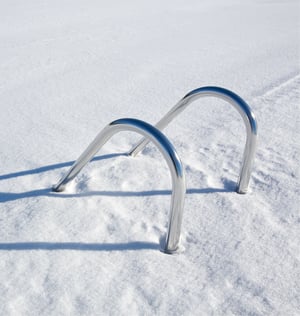
Before you close up your pool for winter, the chemicals in the pool need to be thoroughly mixed and dissipated. If you have an ozone generator and a chemical feeder, they need to be at their lowest level, as long term exposure to strong chemicals will damage the cover.
Once you spend a weekend closing up the pool for winter, you may think that you can relax until spring. While you won’t have that much to do, you will still need to periodically check on your pool to make sure the water level is high enough to support the cover.
Additionally, keep in mind that even the smallest amount of snow or water can weigh a lot and add stress to your cover. Don’t let it build up too much, and especially make sure that ice or water does not get concentrated in one area.
Is an automatic pool cover worth the maintenance?
At first glance, the maintenance might seem like a lot. But in reality, it comes down to a handful of simple tasks done consistently over time.
Once you get into a routine, it’s quick and manageable, and the payoff is a pool that’s cleaner, warmer, and always ready when you are. Whether you're getting things set for a weekend get-together or closing things down for the night, an automatic pool cover makes the process easier from start to finish.
In the end, it’s one of those features that, with a little upkeep, helps make your overall pool experience more convenient and enjoyable.
With multiple sizes and features to choose from, pricing can vary. Want a clearer idea of what your pool might cost? Try our Design and Price tool below.

Frequently Asked Questions
How do you maintain an automatic pool cover?
Maintaining an automatic pool cover is simple if done consistently. Daily tasks include keeping the cover closed to retain heat and checking water chemistry. Weekly, you should retract the cover to let chemicals dissipate, maintain proper water levels, and clean off debris. Monthly and yearly maintenance involves cleaning tracks, checking drainage systems, and lubricating moving parts.
How often should you open your automatic pool cover?
You should open your automatic pool cover at least once a week. This allows built-up chemicals and byproducts to dissipate and helps protect the cover from damage caused by trapped chlorine.
Should you use an automatic pool cover in the winter?
Yes, but with caution. Before closing your pool, make sure chemicals are balanced and not too strong. During winter, periodically check water levels and remove snow or ice buildup to prevent excess weight and stress on the cover.
What can damage an automatic pool cover?
Several things can cause damage, including:
-
High chlorine levels trapped under the cover
-
Low water levels putting stress on the system
-
Heavy debris, standing water, or snow buildup
-
Dirty or clogged tracks and mechanical parts
Regular maintenance helps prevent all of these issues.
From the Author
Automatic pool covers can make pool ownership a whole lot easier, but like anything in your backyard, they need a little consistent care to keep working the way they should.
I’m Jason Hughes, a partner at River Pools Virginia with more than 25 years of hands-on experience installing fiberglass pools. Over the years, I’ve seen how a few simple maintenance habits can make a big difference in how long a pool cover lasts and how well it performs.
I wrote this article to help you understand those day-to-day and seasonal tasks so you can protect your investment, avoid common issues, and keep your pool ready to enjoy whenever you need it.
From the Manufacturer
At River Pools, we work with homeowners who want their backyard pools to be as easy to maintain as they are enjoyable. Automatic pool covers are a popular option for reducing cleaning time, retaining heat, and adding an extra layer of safety.
Through our experience manufacturing fiberglass pools and working with independently owned and operated installers, we’ve seen how simple, consistent maintenance can extend the life of a pool cover and keep it performing at its best.
If you’re considering a fiberglass pool or adding an automatic pool cover, the next step is connecting with a trusted independent installer in your area who can help you explore the right options for your backyard.
Ready to start the conversation?

