

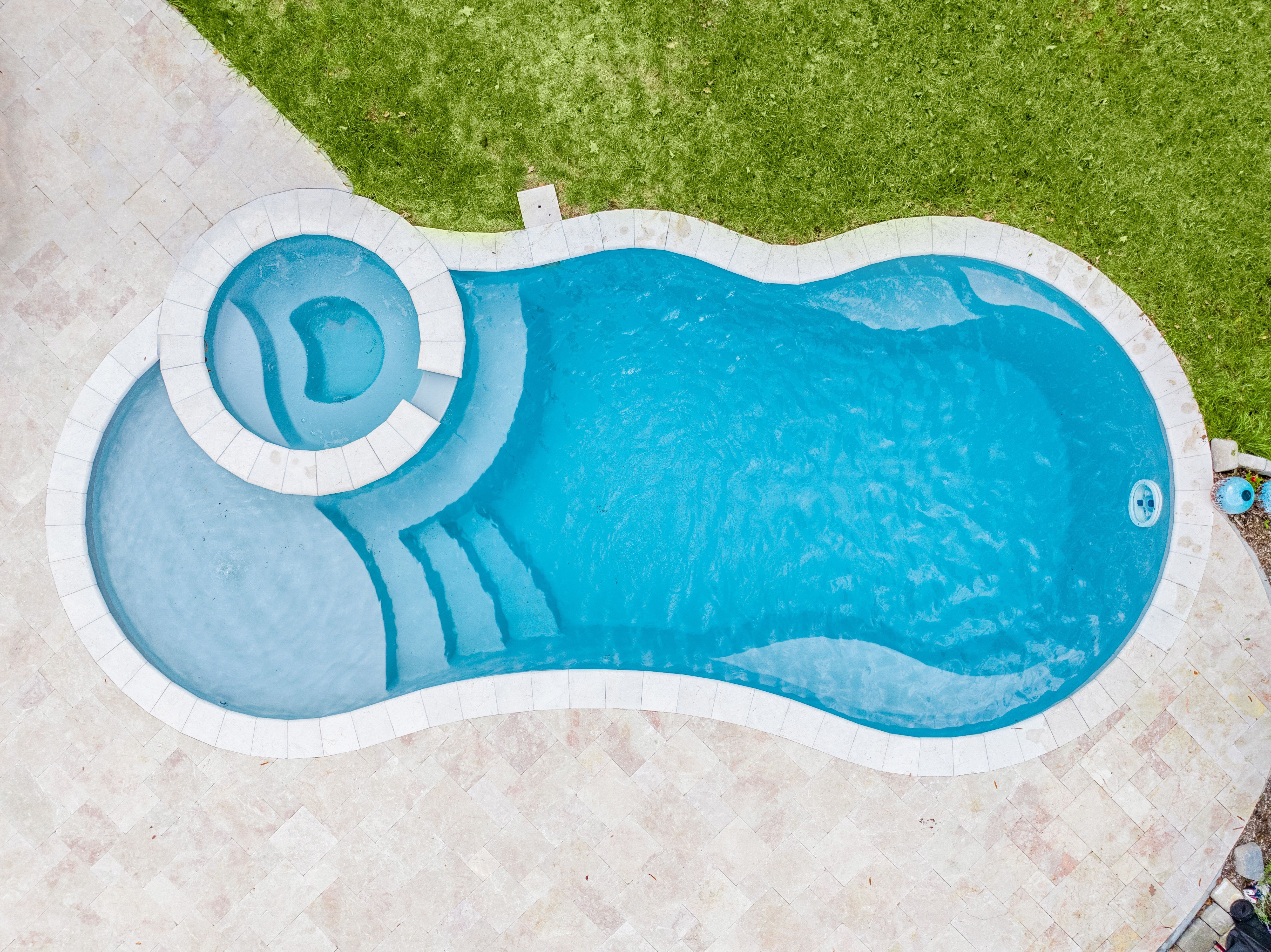
You're dreaming of a place where you can escape the everyday and truly relax, right in your backyard. We get it! And for many homeowners, that dream includes a swimming pool that feels less like a rectangle carved into the earth and more like a natural lagoon. If that sounds like you, then you're likely exploring the wonderful world of freeform pool designs.
Freeform pools are all about embracing nature's curves and creating a unique aquatic landscape right in your own backyard. It's a simple but powerful lesson in design: sometimes, the most beautiful things aren't perfectly symmetrical, but wonderfully organic.
What is a Freeform Pool Design?
A freeform pool design is characterized by its organic, irregular, and flowing shapes, mimicking natural bodies of water rather than having straight lines and sharp angles. Think of a natural pond or a meandering river, rather than a perfectly proportioned swimming lane. These designs are highly customizable and often integrate seamlessly with your existing landscaping.
Unlike their more rigid, geometric counterparts (think rectangles and squares), freeform pools are designed to flow with the natural contours of your yard, creating a harmonious and soft aesthetic. They often feature:
-
Curvaceous Edges: No harsh corners here! Freeform pools boast gentle, inviting curves.
-
Varying Depths: Many freeform designs incorporate gradual slopes and multiple depths, perfect for different activities and comfort levels.
-
Naturalistic Integration: They are often paired with rock waterfalls, lush plantings, and natural stone decking to enhance their organic feel.
Whether you envision a serene grotto or a lively play area, the beauty of a freeform design lies in its ability to adapt and transform your outdoor space into something truly special. You're not alone in picturing this kind of tranquil escape.
Why Choose a Freeform Pool for Your Backyard?
Choosing a freeform pool for your backyard offers a multitude of benefits, particularly for those who prioritize aesthetics, versatility, and seamless integration with their natural surroundings. Here's why homeowners are increasingly drawn to these captivating designs:
Aesthetic Appeal and Natural Beauty
One of the most compelling reasons to opt for a freeform pool is its ability to create a visually stunning and natural-looking water feature. The flowing lines and organic shapes break away from conventional pool designs, often mimicking natural lagoons, ponds, or even tropical oases. This creates a tranquil and inviting atmosphere, making your backyard feel like a true escape.
Unmatched Versatility in Design
Freeform pools offer incredible flexibility. Because they aren't bound by straight lines, they can be designed to fit into unusually shaped yards, around existing landscaping, or even incorporate unique features like rock formations, cascading waterfalls, or built-in seating areas. This adaptability makes them ideal for creating truly personalized spaces.
Seamless Landscaping Integration
These pools are masters of integration. Their natural shapes allow them to blend effortlessly with your garden, trees, and other outdoor elements. This creates a cohesive "backyard retreat" rather than a standalone structure. Imagine your freeform pool nestled amidst vibrant foliage, with a gentle waterfall spilling over natural rocks, it's a vision of serenity.
Enhanced Relaxation and Enjoyment
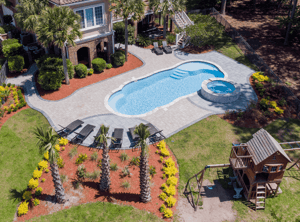
The very design of a freeform pool often encourages relaxation. The gentle curves can feel more inviting, and the varied depths allow for different activities, from wading and sunbathing on a tanning ledge (sundeck or baja shelf) to deeper swimming areas. It's an ideal setting for both tranquil moments and lively family fun.
We're here to explain why this choice can profoundly impact the overall feel and function of your outdoor living space.

Designing Your Dream Freeform Pool: Key Considerations
Planning your freeform pool involves several crucial decisions to ensure it perfectly matches your vision and lifestyle. Without cutting corners, let's explore what you need to know:
Location, Location, Location
The placement of your freeform pool is paramount. Consider sun exposure, you'll want ample sunlight for warming the water and for comfortable swimming. Also, think about proximity to your house, privacy from neighbors, and any existing trees or landscaping that you want to incorporate or work around. Remember to check local zoning and permitting laws, as these will dictate setbacks and other crucial requirements.
Choosing the Right Materials
The material of your freeform pool significantly impacts its durability, maintenance, and overall aesthetic:
-
Fiberglass: Offers a smooth, non-porous surface, making it resistant to algae and requiring less chemical maintenance (water chemistry is a balancing act!). Fiberglass pools come in a variety of variety of pre-designed freeform shapes. However, because each shell is pre-molded, customization is more limited.
-
Concrete (Gunite/Shotcrete): Allows for truly custom freeform shapes, as it's sprayed into an excavated frame. While offering infinite design possibilities, concrete pools can be more expensive and require more maintenance due to their porous surface.
-
Vinyl Liner: Can be customized into many freeform shapes, offering a softer feel. However, liners have a lifespan and will need to be replaced periodically.

For more insights, you might want to consider how concrete compares to fiberglass in terms of durability and performance.
Integrated Features and Customizations
This is where your dream pool truly comes to life! Freeform designs are perfect for incorporating a wide array of features:
-
Water Features: Waterfalls, sheer descents, and even rock grottos enhance the natural feel.
-
Tanning Ledges/Baja Shelves: Shallow areas for lounging in the water.
-
Spas: Integrate a spillover spa for added relaxation.
-
Lighting: Underwater LED lighting can transform the ambiance in the evening.
-
Decking: Consider natural stone, stamped concrete (like a tan flagstone pattern), or pavers that complement the organic shape.
-
Pool Covers: Don't forget to plan for a swimming pool cover for safety and maintenance, and learn how to take it off properly.
Remember, the goal is to create a harmonious space that feels like a natural extension of your home.
With multiple sizes and features to choose from, pricing can vary. Want a clearer idea of what your pool might cost? Try our Design and Price tool below.

Freeform Pool vs. Geometric Pool: Which is Right for You?
Deciding between a freeform and a geometric pool is a core part of bringing your backyard vision to life. The pool shape you choose largely depends on your aesthetic preferences, the style of your home, and how you plan to use your pool.
Freeform Pools: The Organic Choice
If your home has a natural, rustic, or very modern architectural style that emphasizes curved lines and organic flow, a freeform pool will often be the most complementary choice. They are ideal for:
-
Creating a resort-like or lagoon-style environment.
-
Seamlessly blending with extensive landscaping, rock features, and water gardens.
-
Homeowners who value a soft, natural aesthetic and a more relaxed feel.
-
Working around irregular yard shapes or existing features.
The "million-dollar question" really comes down to what kind of atmosphere you want to cultivate in your backyard. Is it an escape to a tropical paradise, or a sleek, modern extension of your home?
Geometric Pools: The Classic and Contemporary
Geometric pools, with their straight lines, sharp angles, and defined shapes (rectangles, squares, L-shapes), often complement more traditional, contemporary, or minimalist home styles. They are excellent for:
-
Achieving a formal, structured, or architectural look.
-
Lap swimming or sports activities, as their straight edges are conducive to clear lanes.
-
Integration with modern hardscaping and minimalist landscaping designs.
-
Maximizing usable deck space around the pool.
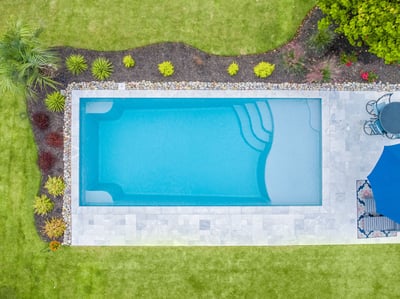
Ultimately, there's no "better" choice, only the choice that best suits your personal taste and how you envision that perfect backyard.

The Cost of a Freeform Pool: What to Expect
Understanding the cost of a freeform pool is paramount for any homeowner embarking on this exciting journey. We believe in transparency, so here's what to expect regarding the factors that influence the price tag of your dream freeform pool.
Factors Influencing Freeform Pool Costs
The price of a freeform pool is not a one-size-fits-all number. Several key elements play a significant role:
-
Pool Type:
-
Fiberglass Freeform Pools: Generally the most cost-effective option, ranging from $85,000 to $135,000+ installed. They offer a great balance of aesthetics, durability, and lower long-term maintenance.
-
Concrete Freeform Pools (Gunite/Shotcrete): These are typically the most elaborate and expensive, ranging from $85,000 to $225,000+, depending on the complexity of the custom design. While offering limitless shapes, they involve longer construction times and higher maintenance.
-
Vinyl Liner Freeform Pools: These usually fall in the mid-range, from $45,000 to $100,000+. The cost can increase with more intricate shapes and features.
-
-
Size and Depth: Larger pools with greater depth naturally require more materials and excavation, increasing costs.
-
Features and Accessories: Adding elements like waterfalls, tanning ledges, spas, elaborate lighting, or a salt chlorine generator will add to the overall price.
-
Decking and Landscaping: The material and size of your pool deck (e.g., natural stone, stamped concrete) and surrounding landscaping (plants, rock features) are major cost contributors.
-
Site Accessibility and Excavation: Difficult access to your yard or challenging soil conditions (like rocky terrain) can increase labor and equipment costs.
-
Local Labor Rates and Permits: These vary significantly by region. Always factor in permit fees and the cost of skilled labor in your area.
We get it; budgeting for a pool is a big deal! Being transparent about the process and understanding all these variables will help you make an informed decision without any unwelcome surprises.
Always get detailed quotes, and don't be afraid to ask questions until you feel completely comfortable with the proposed plan and its associated costs. Your dream pool is an investment, and we want to help you make it a wise one.
Frequently Asked Questions
What defines a freeform pool design?
A freeform pool design is characterized by its organic, irregular, and flowing shapes, mimicking natural bodies of water rather than having straight lines and sharp angles. These designs are highly customizable and often integrate seamlessly with landscaping.
Are freeform pools more expensive than geometric pools?
The cost of a freeform pool can be comparable to or slightly higher than a geometric pool, depending on factors like size, materials, chosen features, and complexity of the design. Fiberglass freeform pools often offer a more budget-friendly and quicker installation option compared to custom concrete freeform designs.
Can I customize a freeform fiberglass pool?
Absolutely! While fiberglass pools come in pre-designed molds, many manufacturers offer a variety of freeform shapes and sizes. The surrounding patio, landscaping, and water features allow for extensive customization to make your fiberglass freeform pool uniquely yours.
What landscaping works best with freeform pools?
Freeform pools naturally complement landscapes with lush plantings, rock features, waterfalls, and natural stone patios. The aim is to create a cohesive, resort-like environment that enhances the organic flow of the pool design.
How long does it take to install a freeform pool?
The installation time for a freeform pool varies by type. Fiberglass freeform pools can often be installed in as little as 4-6 weeks. Concrete freeform pools, due to their custom nature and curing times, typically take 3-6 months or more.

From the Author
Choosing a pool shape is often the first big decision homeowners make after deciding they want a pool — and it sets the tone for the entire outdoor living space. I’m Cristian Shirilla, Director of Marketing at River Pools and a co-owner of a fiberglass pool installation company in Virginia. I wrote this article because freeform pools come up frequently when homeowners are trying to decide what kind of look and feel they want in their backyard. After years of working with people early in the planning process, I’ve seen how important it is to understand what a freeform design really offers before committing to a shape that will influence everything from landscaping to layout.
From the Manufacturer
At River Pools, we understand that choosing a pool shape is one of the most important decisions homeowners make because it influences the entire look and layout of their outdoor living space. As a manufacturer, we’ve seen how freeform designs allow homeowners to create backyards that feel more natural, relaxed, and integrated with their surroundings. This article reflects what we’ve learned from designing and supporting fiberglass freeform pools across a wide range of homes, landscapes, and design goals. Our aim is to help homeowners understand how pool shape impacts the overall backyard experience, so they can choose a design that truly fits the atmosphere they want to create.
Ready to start the conversation?

