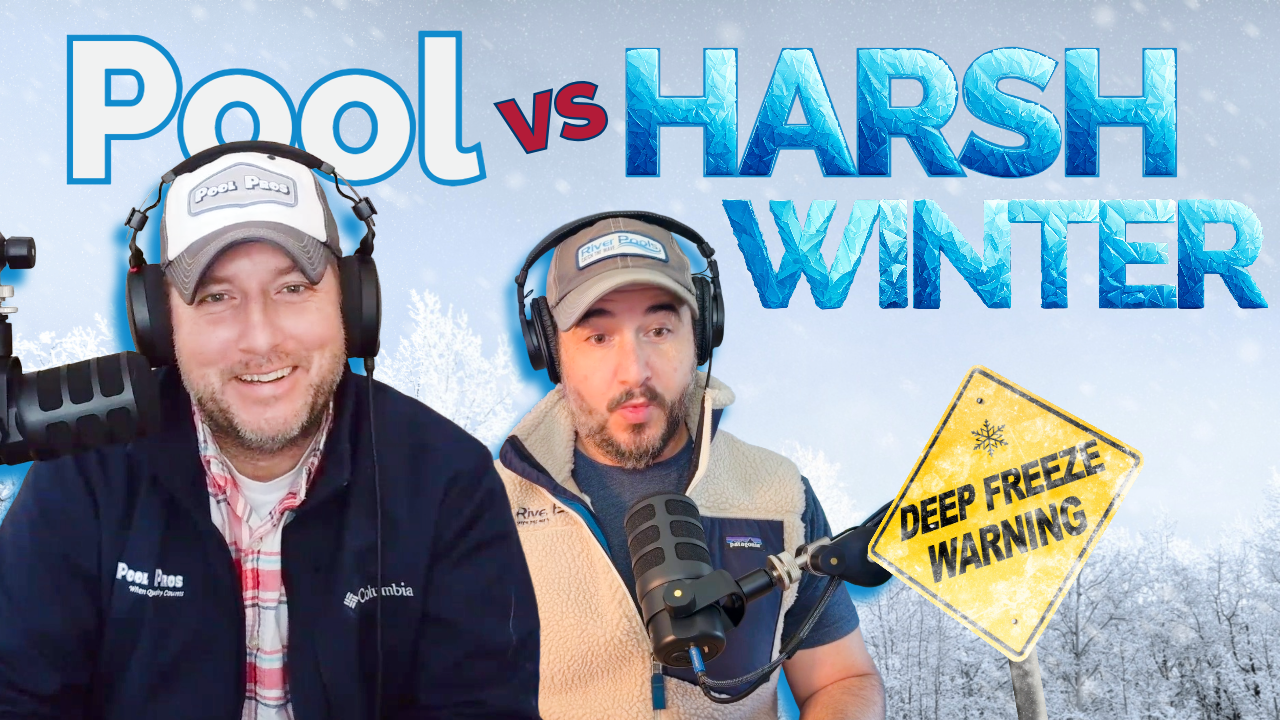
Pools vs Harsh Winters: Choosing the Right Pool for Cold Climates The Pool Guides Podcast — by River Pools Host: Cristian Shirilla Guest: Michael Bowers, Pool Pros Wisconsin Introduction Cristian Shirilla Hello friends, and welcome back to The Pool Guides Podcast. I'm Cristian with River Pools — a s...
Pools vs Harsh Winters: Choosing the Right Pool for Cold Climates
The Pool Guides Podcast — by River Pools
Host: Cristian Shirilla
Guest: Michael Bowers, Pool Pros Wisconsin
Introduction
Cristian Shirilla
Hello friends, and welcome back to The Pool Guides Podcast. I'm Cristian with River Pools — a show designed to help homeowners gather the information they need to make smart decisions long before breaking ground on a swimming pool.
If you're listening from somewhere warm, today's topic might feel a little unusual. In this episode, we're heading to the upper Midwest — specifically Wisconsin — where winters are long, cold, and intense.
We're talking about frost lines that reach four to six feet into the ground. We're talking about heavy freeze–thaw cycles. And most importantly, we're talking about what happens to swimming pools when they're exposed to harsh winter conditions.
Today's guide is Michael Bowers, owner of Pool Pros Wisconsin. Michael has nearly 30 years of experience building pools in one of the coldest climates in the United States.
Today, we're discussing how different types of pools perform in harsh winters — and how homeowners in colder climates can choose the right pool for their backyard.
Michael, thanks for joining us.
Life as a Pool Builder in Wisconsin
Michael Bowers
Thanks for having me. It's actually warming up today — we're getting into the upper 30s.
Cristian Shirilla
Upper 30s sounds like a heat wave where you are. We're in the 50s here in Virginia. Tell everyone where you're located.
Michael Bowers
Green Bay, Wisconsin — also known as Title Town.
Cristian Shirilla
And winters there can be pretty intense.
Michael Bowers
Absolutely. Temperatures in the winter are typically in the low 20s.
Why Cold Climates Change Pool Decisions
Cristian Shirilla
The reason this matters is because we're talking about choosing the right type of pool for cold-weather climates. Most homeowners are aware there are three main pool types:
- Vinyl liner pools
- Fiberglass pools
- Concrete pools
All three can technically function in colder climates. But what should homeowners consider before installing a pool in a place like Wisconsin?
Michael Bowers
Durability is the biggest factor. In our area, frost can reach four to six feet deep into the ground.
On top of that, the water inside the pool freezes during the winter. That means pools experience pressure from two directions:
- Frost pressure from the soil outside the pool
- Expanding ice pressure from inside the pool
That combination creates significant stress on the pool structure.
Because of that, the pool has to be built strong enough to handle those conditions.
From my experience over the past 29 years, the pool types that hold up best in our climate are concrete and fiberglass — with fiberglass performing particularly well.
How Freezing Water Can Damage Pools
Cristian Shirilla
Everyone knows that water expands when it freezes. That expansion puts pressure on the pool shell.
What happens if the water level in the pool isn't managed properly during winter?
Michael Bowers
When water freezes, it expands upward. If the water level in the pool is too high going into winter, the expanding ice can push against structural components like:
- Coping
- Cantilever concrete
- Automatic cover tracks
That pressure can cause damage.
When we winterize a pool, we typically lower the water level to the bottom of the skimmer. But rain and melting snow can raise the water level after the pool is closed.
If that water level gets too high before freezing occurs, the expanding ice can push upward and damage the surrounding structures.
That's why we always encourage homeowners to check their water level before a deep freeze.
Why Vinyl Pools Can Struggle in Cold Climates
Cristian Shirilla
So winter damage doesn't necessarily happen while the pool is frozen. Often it appears when the pool thaws in the spring.
Do certain pool types experience more winter-related damage than others?
Michael Bowers
In our experience, vinyl liner pools tend to be the most vulnerable.
The liner itself is soft and flexible. When the ice inside the pool begins to thaw, it doesn't melt evenly. Jagged ice edges can form and move around in the pool.
That movement can puncture or tear the liner.
Sometimes it's just a small pinhole leak. But over time, that small leak can allow water behind the liner, which may lead to corrosion of the pool wall panels.
So while vinyl pools can be more affordable initially, they tend to be more vulnerable to winter damage in colder climates.
Installation Matters More Than Pool Type
Cristian Shirilla
Let's talk about installation practices. If someone chooses a vinyl pool, what should they expect from their builder to protect the pool structure?
Michael Bowers
The most important factor is managing groundwater.
Every pool needs a way to remove groundwater from around and beneath the pool structure.
The best method is installing a standpipe or sump pipe that allows a submersible pump to remove groundwater when needed.
We also use clean stone beneath and around the pool to allow water to move freely. This prevents hydrostatic pressure from building up under the pool.
If groundwater pressure builds up, it can push the pool structure upward.
That can happen with fiberglass pools, vinyl pools, or even concrete pools.
What Happens When Hydrostatic Pressure Builds
Cristian Shirilla
People sometimes hear that fiberglass pools can float. But in reality, any pool can be affected by hydrostatic pressure.
What happens with vinyl pools if groundwater pressure builds underneath them?
Michael Bowers
The liner can actually float.
Sometimes it creates a bulge in the bottom of the pool floor. In extreme cases, the liner can lift completely toward the water surface.
If the pressure becomes strong enough, it can rip the liner around the skimmer or return fittings.
That's why proper drainage around the pool is so important.
Why Fiberglass Pools Perform Well in Cold Climates
Cristian Shirilla
Let's talk about fiberglass pools. How do they perform in harsh winters?
Michael Bowers
Fiberglass pools perform very well in colder climates because the shell is built as a single piece and designed to flex slightly.
That flexibility allows the structure to tolerate minor ground movement caused by freeze–thaw cycles.
As long as the pool is installed properly — with clean stone backfill and groundwater management — fiberglass pools handle winter conditions extremely well.
That's one of the main reasons we now install fiberglass pools exclusively.
Concrete Pools in Cold Regions
Cristian Shirilla
Concrete pools can also work in colder climates, but the installation process is a little different.
What should homeowners know?
Michael Bowers
Concrete pools require proper engineering.
Because they are much heavier than other pool types, the soil needs to be able to support the load.
That means builders should perform soil testing before construction. The pool should also be engineered with proper steel reinforcement and structural design for the climate.
If those steps are followed, concrete pools can perform well even in cold regions.
Final Advice for Homeowners in Cold Climates
Cristian Shirilla
Before we wrap up, what advice would you give homeowners considering a pool in a region with harsh winters?
Michael Bowers
First, manage expectations.
Vinyl pools can work, but they tend to be more vulnerable in colder climates. Fiberglass and concrete pools typically hold up better over time.
Second, maintenance matters. Homeowners need to monitor water levels and check groundwater levels during seasonal thaw periods.
And finally, educate yourself before building. There are a lot of great resources available to help homeowners understand their options.
Closing
Cristian Shirilla
Michael, thanks again for sharing your experience and insight.
For those listening or watching, especially if you live in a colder region, understanding how winter affects swimming pools can make a huge difference when planning your project.
If you're considering installing a pool, visit RiverPoolsAndSpas.com. You'll find tools like our pool pricing estimator along with hundreds of educational articles designed to help you make confident decisions before construction begins.
I'm Cristian with River Pools. Thanks for joining us on The Pool Guides Podcast.