

Quick Summary
- Inground fiberglass swimming pools are factory-built, one-piece shells that install in 3–6 weeks, significantly faster than concrete pools
- Fully installed costs typically range from $45,000 to $200,000+ depending on size, features, and site conditions
- A non-porous gel coat surface resists algae, cutting chemical costs and cleaning time compared to concrete and vinyl liner pools
- Fiberglass pools can last 50+ years and carry structural warranties up to 25 years, the longest lifespan of any inground pool type
- The main tradeoff is limited shape customization and a higher upfront cost than vinyl liner pools
Why Choose an Inground Fiberglass Pool?
Thinking about adding an inground fiberglass pool to your backyard? You’re in good company. These pools have gone from niche to mainstream thanks to their unique blend of lower maintenance, faster installation, and long-term durability.
Compared to concrete and vinyl liner pools, fiberglass swimming pools offer a smoother experience, literally and figuratively. It's about finding a pool that fits your lifestyle and gives you more time to enjoy it, not just take care of it.
In this guide, we’ll break down what fiberglass pools are, how they’re built, what they cost, and why so many homeowners are making the switch. Let’s get started.
What is a Fiberglass Pool?
Let's start with the basics. What exactly is a fiberglass pool? Imagine a giant, one-piece shell, much like a boat hull, ready to be placed directly into the ground. That's essentially what we're talking about.
Material and Construction Explained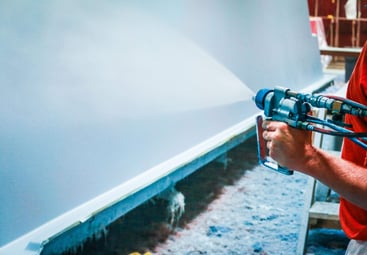
At its core, a fiberglass pool shell is a composite structure. It's constructed from multiple layers of woven fiberglass strands, bonded together with a special resin. This creates an incredibly strong, flexible, and watertight structure.
The inner surface, the part you see and touch, is covered with a smooth, durable layer called the gel coat. This gel coat is what gives the pool its color and its famously smooth, non-porous finish.
The manufacturing process involves spraying layers of fiberglass and resin into a mold, typically in a controlled factory environment. This results in a seamless, predetermined shape. When we talk about prefabricated pools, this is what we mean, they arrive on site as a single, finished unit.

How Fiberglass Swimming Pools Differ from Concrete and Vinyl Liner Pools
Here at River Pools, we're here to explain why fiberglass stands out. When considering your backyard pool options, fiberglass vs vinyl liner pool or even concrete pools, the differences are significant:
- Concrete Pools: These are custom-built on-site from scratch using rebar and gunite or shotcrete. They offer infinite customization in shape and size but are typically the most expensive and time-consuming to install. Their porous surface means more susceptibility to algae and requires more aggressive cleaning using brushes, acid washing, and replastering typically every 10-15 years.
- Vinyl Liner Pools: These pools start with a panel wall structure (steel, polymer, or aluminum) built on-site, over which a custom-fit vinyl membrane is installed. They are generally less expensive upfront than fiberglass but require liner replacement about every 7-12 years due to tears, fading, or stretching. The liner material is also susceptible to punctures.
- Fiberglass Pools: As discussed, inground fiberglass swimming pools are factory-made as a single unit. This means a quicker installation and a non-porous surface that resists algae and harsh chemicals. They are incredibly durable and require significantly less maintenance over their lifetime compared to the other two. The tradeoff? You’ll have fewer options when it comes to fully customized shapes, and the upfront cost is typically higher than vinyl.
The key differences come down to durability, maintenance requirements, cost comparison, and installation time. While fiberglass pools come in standard molds, their advantages in terms of longevity and ease of care often outweigh the desire for bespoke shapes, especially for homeowners looking for a hassle-free pool experience.
The Key Benefits of Inground Fiberglass Pools
So, why are so many people falling in love with inground fiberglass pools? Here are the standout advantages:
Lower Maintenance & Durability
This is often the #1 reason homeowners choose fiberglass. The smooth, non-porous gel coat surface of a fiberglass pool is a nightmare for algae. Unlike the rough surfaces of concrete pools where algae can cling and root, algae struggles to get a foothold on fiberglass. This means:
- Less scrubbing for you
- Fewer chemicals needed to keep your water pristine
- More time swimming, less time cleaning
Now, lower maintenance doesn’t mean no maintenance. If maintained correctly, fiberglass pools are much easier to care for than other types, but regular cleaning, balanced water chemistry, and routine check-ins are still essential. The good news? That routine is manageable, giving you more time to enjoy your backyard.
Quick Installation Process
What if you could go from an empty backyard to swimming in a matter of weeks. That's
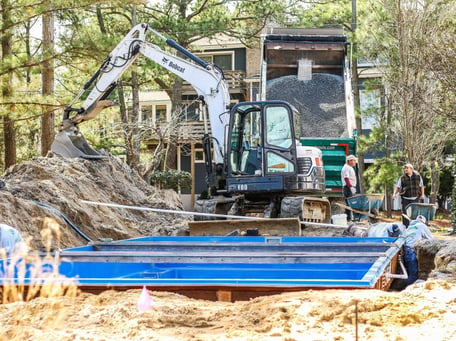
the reality with fiberglass pool installation. Since the pool shell is manufactured off-site, the on-site work is primarily excavation and placement. While permits and site preparation still take time, once the hole is dug, the shell can often be set, leveled, and backfilled in a matter of days. This is a dramatic contrast to concrete pools which can take months to build from scratch.
Smooth, Non-Abrasive Surface
Ever scraped your foot on a rough concrete pool surface? Ouch! That's not an issue with fiberglass. The gel coat creates a luxuriously smooth surface that's gentle on skin, swimsuits, and even pet paws. It's incredibly comfortable for swimmers of all ages, ensuring a pleasant and safe experience every time you dip your toes in.
Energy Efficiency & Chemical Savings
The inert material of fiberglass boasts better insulative properties than concrete. This means your pool water loses heat slower, reducing the demand on your pool heater (if you have one) and saving on energy bills. Combined with the anti-algae properties, this translates to noticeable chemical savings over the life of the pool. It's important to understand how these savings contribute to the overall total cost of ownership.
Longer Lifespan & Warranty
Are fiberglass pools durable? Short answer? Yes, absolutely. Fiberglass pools are built to last. Many manufacturers offer extensive warranties, often covering the structural integrity of the shell for 25 years or more. A well-maintained fiberglass pool can easily last 50 years or more. This long lifespan, combined with low maintenance, makes them an excellent long-term investment for your home.
Potential Drawbacks and Considerations
No pool option is perfect for everyone, and it's important to be transparent about the potential downsides and considerations for fiberglass swimming pools. We believe in presenting the full picture so you can make an informed decision.
Limited Shapes and Sizes
Because an inground fiberglass pool is built from factory molds, you’re choosing from pre-set shapes and dimensions. While there are many beautiful designs available, you won’t get the fully custom, freeform flexibility of concrete. For most homeowners, though, the available options are more than enough to create a backyard they love.

Higher Upfront Cost (Compared to Vinyl)
Inground fiberglass pools typically cost more upfront than vinyl liner pools, sometimes by several thousand dollars. However, because they don’t require liner replacements and have lower long-term maintenance costs, fiberglass often ends up being the more cost-effective option over time.
Potential for Gel Coat Fading or Chalking
Although modern gel coat technology is highly durable, fading or chalking can occur over time, especially if water chemistry isn’t properly maintained. Consistently unbalanced water, especially low pH or improper sanitizer levels, can wear down the surface finish. Proper water care is the best way to prevent these cosmetic issues.
Potential for Blistering
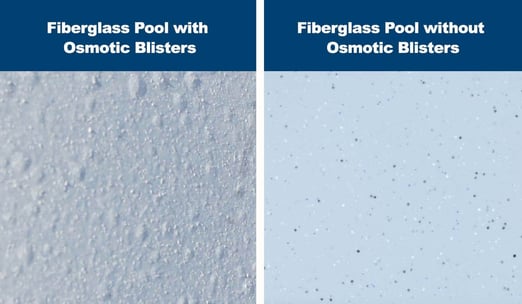
In some cases, osmotic blisters may develop beneath the gel coat due to manufacturing defects or material issues during production. Reputable fiberglass pool manufacturers use strict quality control processes to minimize this risk, and strong warranties will often cover these uncommon defects.
Accessibility for Installation
Since the fiberglass pool shell arrives as one large unit, your backyard needs to be accessible for a crane and transport vehicle. This typically means clear access from the street to the pool site. For properties with extremely tight gates, restrictive landscaping, or limited overhead clearance (power lines, mature trees), installation can be more complex or, in rare cases, not feasible. It's crucial for your pool contractors to assess site accessibility during the initial consultation.
Inground Fiberglass Pool Cost: What to Expect
Ah, the question on everyone's mind: "How much does an inground fiberglass pool cost to install?" It's important to understand that there isn't one single answer, as costs can vary significantly. However, we can give you a clear breakdown to set realistic expectations.
Average Installation Costs (Small, Medium, Large)
When researching inground fiberglass pool prices and what they include, expect a range rather than a fixed number. Here at River Pools, we estimate that fully installed fiberglass pools, encompassing the pool shell, installation, and basic features, typically fall into these general categories:
- Small Fiberglass Pools (8'x16' to 10'x20'): You might expect to pay an estimated $45,000 - $65,000+.
- Medium Fiberglass Pools (14'x28' to 16'x32'): These often range from $65,000 - $85,000+.
- Large Fiberglass Pools (16'x36' and larger): For these, costs can start at $85,000 - $200,000+ and go up depending on features.
Remember, these are estimates and can fluctuate based on your location, chosen features, and specific site conditions. It’s not just about the pool itself.
Factors Influencing Price (Size, Features, Site Prep)
Several variables contribute to the final price tag for your backyard pool:
- Pool Shell Size and Design: Larger pools and those with integrated features like tanning ledges, spas, or elaborate steps will naturally cost more.
- Site Preparation: Excavation difficulty (rocky soil vs. soft soil), grading, and ensuring proper drainage can impact costs.
- Decking: The material and size of your pool deck (concrete, pavers, natural stone) will significantly affect the overall project cost.
- Fencing: Most areas have codes requiring pool fencing, which is an additional expense.
- Pool Equipment: Pumps, filters, heaters, salt chlorine generators, and automation systems vary widely in price and features.
- Additional Features: Lighting (LED vs. standard), waterfalls, jets, slides, diving boards, and automatic covers all add to the total.
- Accessibility: As mentioned earlier, difficult site access requiring specialized equipment can increase labor costs.
With multiple sizes and features to choose from, pricing can vary. Want a clearer idea of what your pool might cost? Try our Design and Price tool below.

Ongoing Maintenance Costs (Chemicals, Energy, Repairs)
While the upfront cost might be higher than vinyl, fiberglass pool maintenance offers significant savings over time. You'll still have annual expenses, primarily for:
- Chemicals: Less needed than concrete, but still essential for water balance. Expect a few hundred dollars annually.
- Energy: For running the pump and any heaters. Modern variable-speed pumps and good insulation can minimize this.
- Minor Repairs: Very infrequent, but wear-and-tear items like O-rings or gaskets might need replacing over decades. Compared to concrete's replastering or vinyl's liner replacements, this is minimal.
Overall, annual running costs for a fiberglass pool are often the lowest among inground options, creating long-term value.
Maintenance Tips for Your Fiberglass Pool
One of the biggest selling points of inground fiberglass pools is their low maintenance. But "low maintenance" doesn't mean "no maintenance"! A little routine care goes a long way in ensuring your pool stays beautiful and problem-free for decades. Here are some essential fiberglass pool maintenance tips:
Routine Cleaning & Water Chemistry
This is your everyday defense against grime and cloudy water:
- Skimming: Regularly skim the surface for leaves, bugs, and debris.
- Brushing: While fiberglass resists algae, brushing the walls and floor weekly with a soft nylon brush helps loosen debris, improve circulation, and prevent algae from settling in corners or shaded areas.
- Vacuuming: Either manually or with an automatic pool cleaner, vacuum as needed to remove settled debris.
- Water Testing: This is critical! Test your water 2-3 times a week (more often in heavy use) for pH, alkalinity, calcium hardness, and chlorine levels. Maintaining proper balance is key to protecting your gel coat, maximizing sanitizer effectiveness, and ensuring swimmer comfort.
- Chemical Addition: Adjust chemicals as necessary based on your test results. Always add chemicals slowly and safely, following manufacturer instructions. Never add calcium based products.
Winterization Best Practices
If you live in a region with freezing temperatures, proper winterization is essential to protect your investment:
- Clean Thoroughly: Ensure the pool is spotless before closing.
- Balance Water Chemistry: Adjust pH, alkalinity, and calcium hardness to ideal winterizing levels.
- Lower Water Level: Typically just below the skimmer opening and return jets.
- Drain & Protect Equipment: Drain all water from pumps, filters, heaters, and lines. Add antifreeze to plumbing lines where necessary. Store removable equipment indoors.
- Cover the Pool: Use a high-quality winter cover to keep out debris and sunlight.
Troubleshooting Common Issues
What are common issues with fiberglass pools? Thankfully, they are few and far between. Most "issues" stem from improper water chemistry, which is easy to correct:
- Algae: If you see algae, it's usually due to low sanitizer levels or poor circulation. Shock the pool, clean the filter, and ensure your chemistry is balanced.
- Stains: Most stains on fiberglass are topical and can be removed with a specialty pool stain remover. Always identify the type of stain (organic, metal) for the correct treatment.
- Cloudy Water: Typically a sign of imbalanced chemicals, insufficient filtration, or organic load. Test your water, clean your filter, and ensure your pump is running long enough.
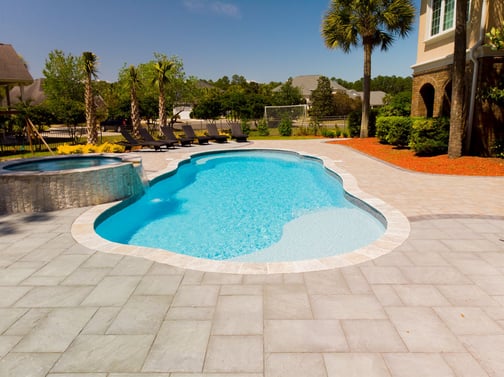
Minor gel coat repairs, if ever needed, can often be handled with specialized patch kits. We're here to help guide you through any unexpected challenges, but with regular care, your fiberglass pool should be wonderfully trouble-free!

Conclusion: Is an Inground Fiberglass Pool Right for You?
You've journeyed through the ins and outs of inground fiberglass pools, and by now, you probably have a much clearer picture of whether one belongs in your backyard pool dreams. We've explored everything from what makes up the robust fiberglass pool shell to the nitty-gritty of fiberglass pool installation cost and ongoing care.
Let's recap the key advantages that make these composite swimming pools so appealing:
- Lower Maintenance: Less scrubbing, fewer chemicals, more time to swim!
- Durability: Built to last for decades with excellent warranties.
- Quicker Installation: Go from concept to cannonball in a significantly shorter timeframe.
- Smooth Surface: Comfortable, safe, and gentle on hands and feet.
- Energy & Chemical Savings: A smart long-term investment that keeps running costs down.
Ultimately, the decision comes down to aligning your pool choice with your lifestyle and budget. If you prioritize ease of ownership, rapid installation, and a durable, aesthetically pleasing pool that won't demand all your free time, an inground fiberglass pool is likely an excellent fit. While the upfront investment may be higher than a vinyl liner, the long-term savings and peace of mind often make it the more economical and enjoyable option.
We're here to help you every step of the way. If you have more questions or are ready to take the next plunge, don't hesitate to reach out to experienced pool contractors who specialize in best fiberglass pools. What if you could spend your summer relaxing by the pool instead of working on it? With a fiberglass pool, that dream can become a beautiful reality.
Frequently Asked Questions
How much does an inground fiberglass pool cost to install?
Most inground fiberglass pools cost between $85,000 and $200,000 installed, depending on the pool size, site conditions, patio materials, water features, and other backyard upgrades. Smaller, simpler projects may cost less, while larger custom backyard pools with premium features can cost significantly more.
How long does it take to install a fiberglass pool?
Once your permits are secured and the site is prepped, fiberglass pools can be installed surprisingly fast, often within 3 to 6 weeks from excavation to swimming. That’s largely because the pool shell arrives pre-manufactured and ready to drop into the ground. By contrast, concrete pools may take several months to complete.
How do fiberglass pools compare to concrete pools?
Compared to vinyl liners, fiberglass pools last much longer and don’t require liner replacements every 7–12 years. Vinyl may be cheaper upfront, but fiberglass often wins on long-term durability and cost of ownership.
What are common issues with fiberglass pools?
Fiberglass pools are generally lower maintenance, but a few issues can occur. Most problems stem from improper water chemistry, which can lead to algae, staining, or cloudy water. In rare cases, long‑term imbalance may cause gel coat fading or blistering. Installation access can also be a challenge if your yard has tight entry points.
From the Author
I’m Cristian Shirilla, Director of Marketing at River Pools and a co-owner of a fiberglass pool installation company in Virginia. I’ve worked with thousands of homeowners navigating the decision to add a pool to their backyard, and I know how overwhelming it can be. I wrote this article to help cut through the noise and give you a clear, honest look at what makes inground fiberglass pools such a popular choice. Whether you're comparing pool types or just starting your research, I hope this guide helps you feel more confident in finding the right fit for your home.
From the Manufacturer
At River Pools, we’ve spent years designing and manufacturing fiberglass pools that prioritize durability, beauty, and ease of ownership. We believe a pool should enhance your lifestyle, not complicate it. That’s why we’re committed to helping homeowners understand the ins and outs of inground fiberglass pools before making a decision. Our goal is to empower you with knowledge, so when the time comes, you're ready to plan a pool that fits your space, your needs, and how you actually want to use it.
Ready to connect with a local installer?

